Promoting Space Exploration while discouraging missile proliferation: the role of the HCoC

28 May 2018

On 8 May 2018, in cooperation with UNIDIR, the FRS organised a seminar at the Palais des Nations in Geneva on « Promoting Space Exploration while discouraging missile proliferation: the role of the Hague Code of Conduct »

AGENDA

WELCOMING REMARKS 

  • Dr. Xavier PASCO, Director, FRS
  • Dr. Renata DWAN, Director, UNIDIR
  • François RIVASSEAU, Special Envoy for Space of the European External Action Service (EEAS)


I/ THE ‘HCoC’: WHAT ROLE IN PROMOTING THE PEACEFUL USE OF SPACE? 

MODERATOR

  • Ms Emmanuelle MAITRE, Research fellow, FRS


PRESENTERS:

  • Amb. Marek SZCZYGIEŁ, Ambassador at large, Security Policy Department, MFA of Poland, HCoC Chair 2017-2018
  • Sebastien MORANTA, Coordinator of Studies, European Space Policy Institute (ESPI)
  • Dr. Robert GERSCHNER, Head of Immediate Central Contact (Executive Secretariat), Federal Ministry for Europe, Integration and Foreign Affairs of Austria


KEY ISSUES:

  • Contribution of the Code to international security, including the field of space
  • Being a subscribing state: commitments and benefits
  • Day-to-day implementation of the Code
  • Impact of the Code on national space development
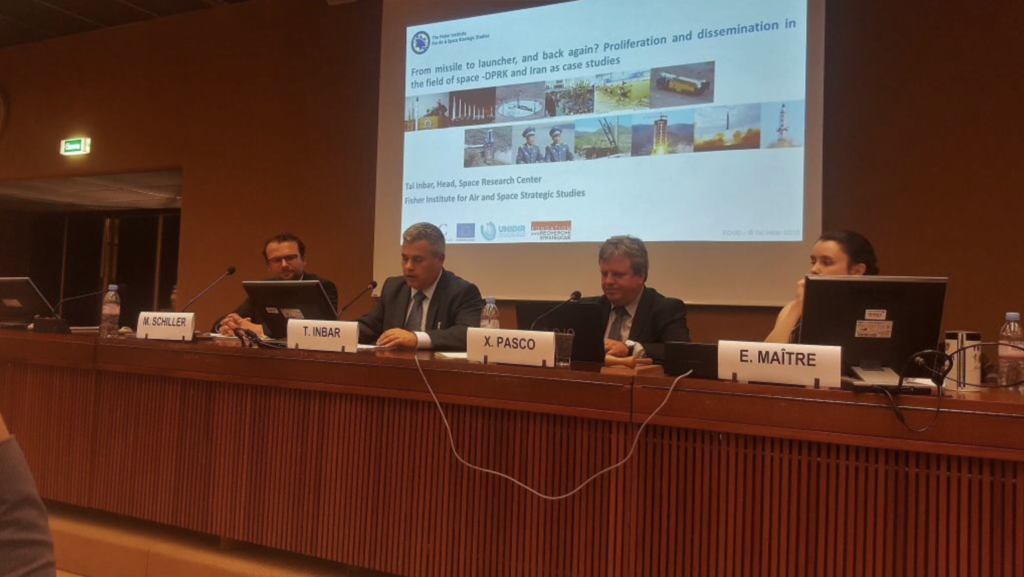
II/ FROM MISSILE TO LAUNCHER, AND BACK AGAIN? PROLIFERATION & DISSEMINATION IN THE FIELD OF SPACE

MODERATOR:

  • Daniel PORRAS, Space Security Fellow, UNIDIR


PRESENTERS:

  • Dr. Xavier PASCO, Director, FRS
  • Tal INBAR, Head of the Space and UAV Research Center, Israel’s Fisher Institute for Air and Space Strategic Studies
  • Dr. Markus SCHILLER, ST Analytics GmbH


KEY ISSUES:

  • Theoric and empiric studies of double-use of launcher technologies
  • Launchers and Missiles: case studies
Research Papers

The Hague Code of Conduct and Space

This paper considers the dual approach of the Code by analysing the similarities between launchers and ballistic missiles in light of new technical developments, and assessing the risk of missile technology proliferation. It also assesses the new trends and developments in the space sector that may have an impact on the ability of the HCoC to remain relevant in its efforts to curb the proliferation of ballistic launchers.

Read More »
Other publications

North Korean Short Range Systems: Military consequences of the development of the KN-23, KN-24 and KN-25

This study focuses on the new systems introduced, and assesses their potential impact as conventional weapons and as non-conventional weapons. Through an analysis of the possible capacities of these systems, this study examines their consequences on North Korean strategy. It concludes by exploring what this change of strategy may lead to, in military terms, and in political terms, on the Korean peninsula.

Read More »
Research Papers

Ballistic missiles and conventional strike weapons: Adapting the HCoC to address the dissemination of conventional ballistic missiles

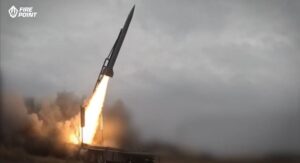
The Hague Code of Conduct aims at curbing the proliferation of missiles capable of carrying weapons of mass destruction. Today, with an important increase in ranges, these weapons are more and more used for a conventional mission, by a variety of states. This dissemination illustrates the fact that many stakeholders master the technologies necessary to build and sustain these weapons. But it also raises questions on the possible destabilising effects of these arsenals, even when they are not linked to WMDs.

Read More »