Side event on HCoC in the margins of the UNGA in New York
10 October 2016
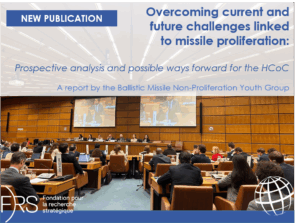
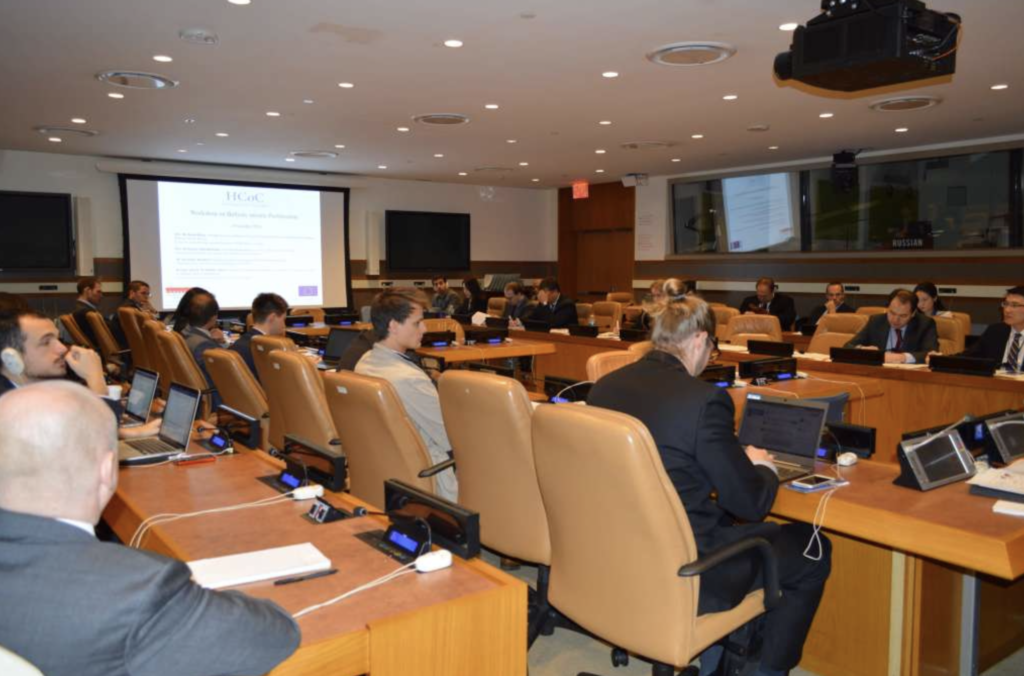
On 10 October 2016, on behalf of the European Union, the FRS organised a side event on the Hague Code of Conduct and Ballistic Missile Non-Proliferation, in the margins of the 71st session of the United Nations General Assembly in New York.
This event, which took place at the United Nations headquarters, included a series of presentations followed by a discussion, and brought together representatives from both subscribing and non-subscribing States, and officials from the European Union, with a view to raising awareness of the Code with regard to non-subscribing States and discussing the current and future trends and challenges pertaining to ballistic missile
proliferation.
AGENDA
PRESENTATIONS
- H.E. Jacek BYLICA, Special Envoy for Disarmament and Non-Proliferation, European External Action Service
- EU action to promote the non-proliferation of WMD delivery systems
- H.E. Kairat ABDRAKHMANOV, Permanent Representative to the UN in New York; HCoC Chair
- Perspectives for HCoC and aims for the Presidency of Kazakhstan
- Alexandre HOUDAYER, Secretary General, Fondation pour la Recherche Stratégique
- Implementation, universalization, challenges of the HCoC
KEYNOTE SPEECH
- Dr. Dinshaw MISTRY, Professor of International Relations, University of Cincinnati and author, “Containing Missile Proliferation”
- Current threats and trends in ballistic missile proliferation
DISCUSSIONS