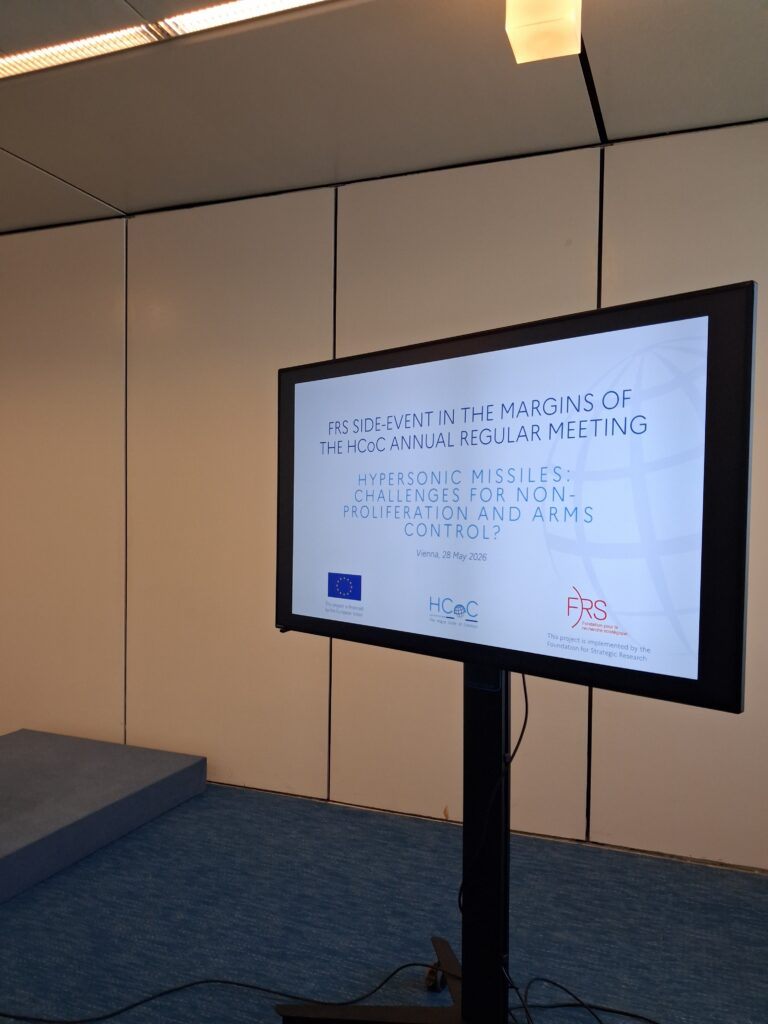

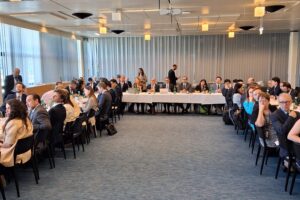
The HCoC was adopted in 2002, at a time where the international community pushed strongly for the adoption of norms to promote non-proliferation and disarmament. It was initially designed as a first step which would lead to further regulations in the field. However, rising international tensions have prevented states from engaging beyond the 2002 compromise.
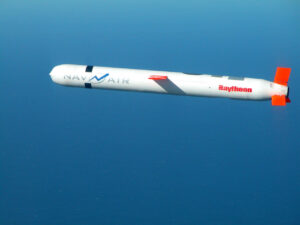
The issue of extending the scope of the Hague Code of Conduct to cruise missiles is regularly raised in academic and political discussions about the Code. Some non-subscribing States justify their refusal to join the instrument because of this exclusion, perceived as a major flaw. Indeed, cruise missiles have characteristics that can make them very effective in carrying weapons of mass destruction. It is therefore clearly of interest to consider extending the HCoC scope to these weapons.
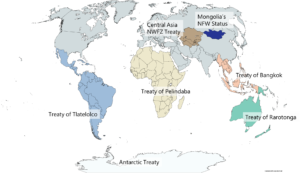
Taken as a wide-ranging notion, weapons of mass destruction (WMD) have not produced significant instruments in international security over time, UNSCR1540 being an exception. As such, there are no existing WMD free zones (WMDFZ) which can be used as examples and as potential frameworks for further initiatives banning ballistic missiles.