EVOLUTION OF THE DRIVERS FOR BALLISTIC MISSILE ACQUISITION

4 June 2025

Vienna 

On 4 June 2025, the FRS organised a side event in the margins of the HCoC Annual Regular Meeting.

AGENDA

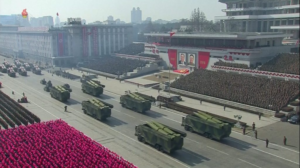
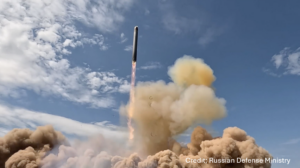
In many regions, a number of countries are currently developing or acquiring ballistic missiles. In addition to geopolitical factors, technological developments are modifying the role of ballistic missiles in military strategy: on the one hand, they are increasingly precise and some have the ability to aim very specific targets, on the other hand, the generalisation of missile defence means that relatively simple short-range systems can lose their relevance.

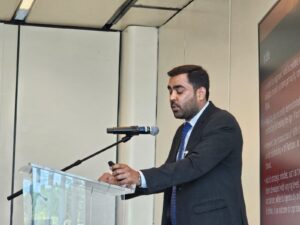
This side event assessed the drivers of ballistic missile proliferation and explore the role of arms control and confidence building measures in the current context.

 

Introduction

  • Mr Stefan Tressing, Deputy Head of Division, Disarmament, Non-Proliferation and Arms Export Control, European External Action Service (EEAS), European Union

  • Amb. Alex Wetzig Abdale, Ambassador and Permanent Representative of Chile to the International Organisations in Vienna, HCoC Chair 2024-2025

  • Amb. Alejando Garofali Acosta, Ambassador and Permanent Representative of Uruguay to the International Organisations in Vienna, HCoC Chair 2025-2026


Main session: Evolution of the Drivers for Ballistic Missile Acquisition

 MODERATOR:

  • Mr Alexandre Houdayer, Secretary General, FRS


PANELLISTS:

  • Prof. Sitki Egeli, Associate Professor, Izmir University of Economics

  • Dr Polina Sinovets, Head of Odessa Center for Nonproliferation

  • Dr Javed Alam, Research Associate, Centre for Air Power Studies, HCoC Youth Group

  • Ms Eva-Nour Repussard, Policy Fellow at BASIC, HCoC Youth Group

  • Ms Emmanuelle Maitre, Senior Research Fellow, FRS

Issue Briefs

The HCoC and Southeast Asian States

Only three out of ten Southeast Asian states have joined the HCoC to date (the Philippines, Cambodia and Singapore). This limited rate is noteworthy as Southeast Asia is increasingly concerned by the ongoing ballistic missile competition in broader Asia. Moreover, the region is actively investing to benefit from space technologies.

Read More »