
New York outreach side event on HCoC 2013

11 October 2013

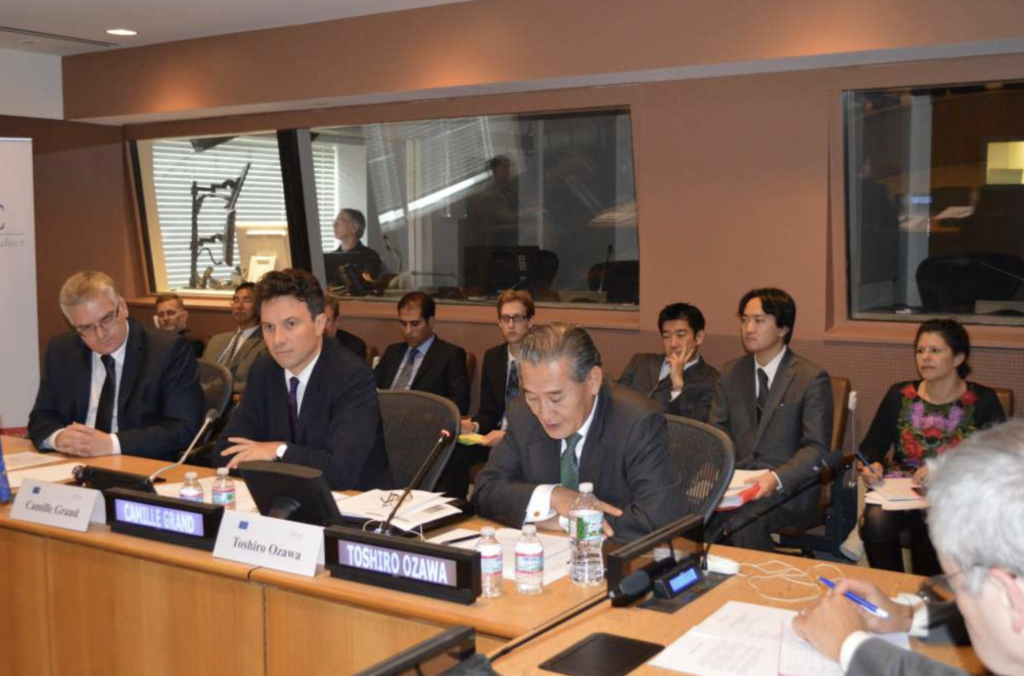
On 11 October 2013, the FRS organised, on behalf of the European Union, an outreach event in support of both the HCoC and ballistic missile non-proliferation. This meeting took place at the United Nations Headquarters in New York, in the margins of the UN General Assembly First Committee.

AGENDA

PRESENTATIONS

  • Amb. Jacek BYLICA, Principal Advisor and Special Envoy for Non-Proliferation and Disarmament, European External Action Service
    • EU action to promote the non-proliferation of WMD delivery systems
  • Amb. Toshiro OZAWA, Permanent Representative of Japan to the International Organisations in Vienna; HCoC Chair
    • The role of HCoC and the aims for the Japanese presidency
  • Camille GRAND, Director, Foundation for Strategic Research
    • Assessing and responding to current and future threats posed by ballistic missile proliferation
Issue Briefs

The HCoC and Latin America

Latin America is one of the regions with the highest level of support for the HCoC. This support reflects the historic commitment of the region in favour of disarmament and non-proliferation. The remaining four non-subscribing states – Bolivia, Brazil, Cuba and Mexico – have voiced concerns about the adoption of the Code outside the United Nations framework and its limited scope.

Read More »
Issue Briefs

The HCoC and South Asia

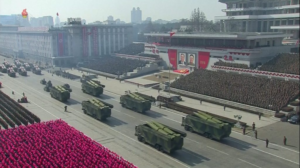
India’s and Pakistan’s ballistic missiles are mostly designed as delivery vehicles for their nuclear weapons. While intrinsically linked to their national security, ballistic missiles also have regional security implications for South Asia. Non-proliferation and arms control efforts have so far been aimed at the bilateral level. Subscription to other instruments including the HCoC remains low in the region, although India joined the HCoC in 2016.

Read More »
Issue Briefs

The HCoC and Space

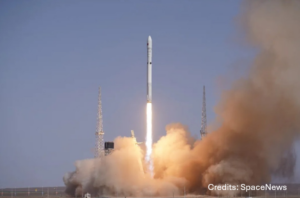
The New Space trend – an ongoing innovative transformation of the space sector – has led to a rise of investment in small launch systems. While an increasing number of nations are gaining access to space, the number of private sector entities investing in this domain is also rising. Meanwhile, small space launch vehicles and ballistic missiles rely on increasingly similar technologies.

Read More »