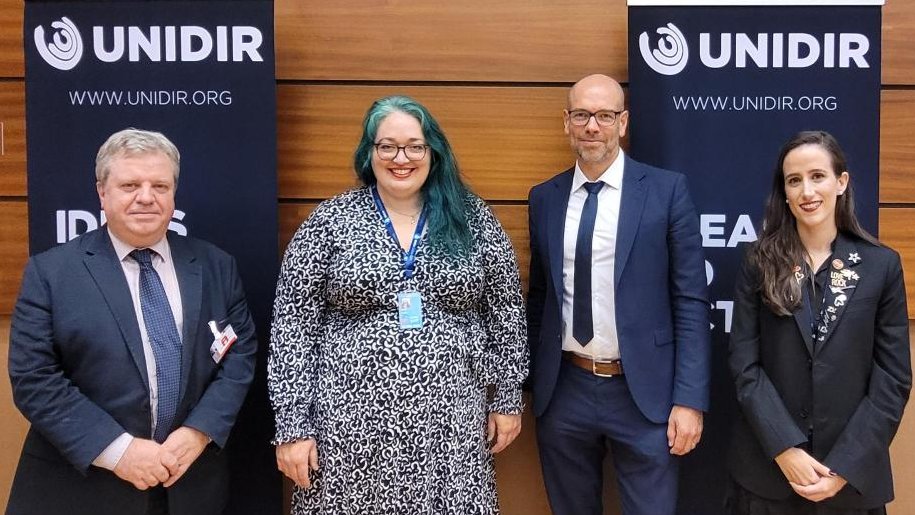

Promoting the HCoC at the UNIDIR Space Security Conference

1 November 2022

Geneva

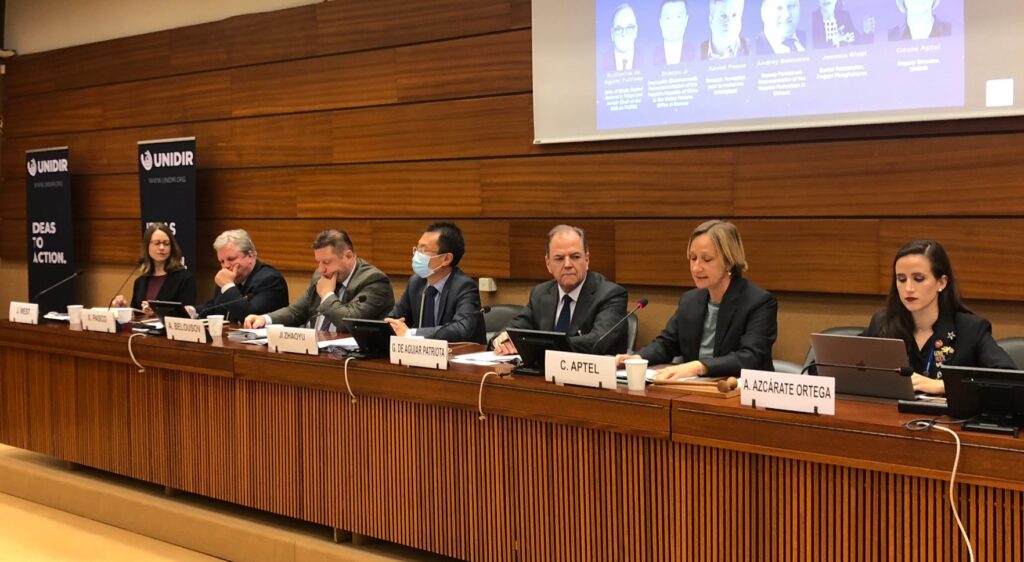
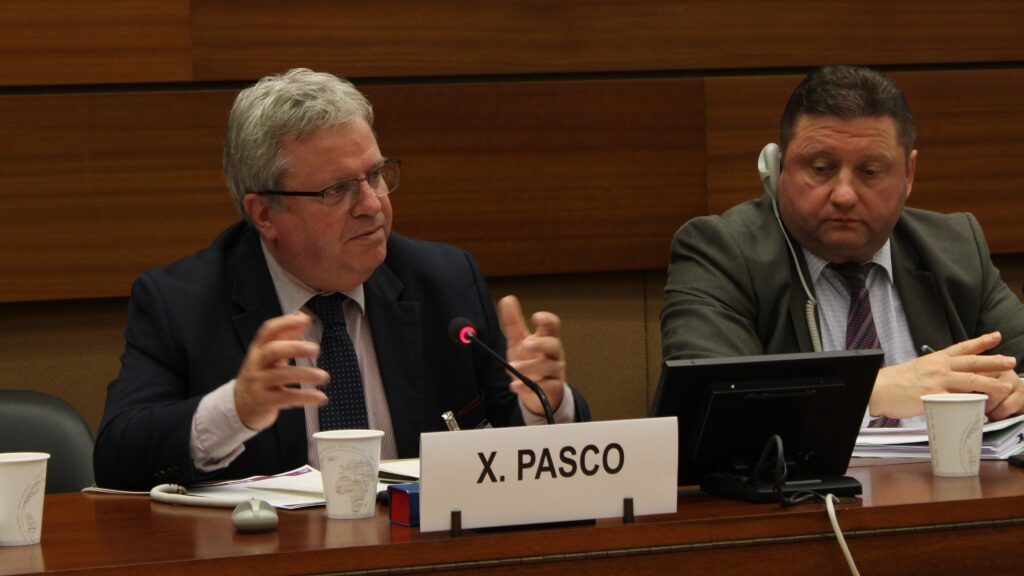
Dr Xavier Pasco, Director of the FRS, explained how the Hague Code of Conduct participates to space security during the UNIDIR Space Security Conference on 1st November 2022, in Geneva.

AGENDA

Panel II — How Can Space Security Be Achieved: Past, Present, Future Efforts And Practical Measures For PAROS

MODERATOR:

  • Cécile Aptel, Deputy Director, UNIDIR

PANELLISTS:

  • Andrey Belousov, Deputy Permanent Representative of the Russian Federation in Geneva
  • Guilherme de Aguiar Patriota, Amb. of Brazil, Consul General in Tokyo & former Chair of the GGE on PAROS

  • Ji Zhaoyu, Counsellor (Disarmament), Permanent Mission of the People’s Republic of China to the United Nations Office at Geneva

  • Xavier Pasco, Director, Fondation pour la recherche stratégique

  • Jessica West, Senior Researcher, Project Ploughshares

Over the years, many different mechanisms and processes have been proposed to address space security concerns and to achieve the goals of PAROS. This panel will look at the past and present initiatives that States have undertaken to address space security concerns, and to consider what lessons can be learned for the future. Attention will be paid to initiatives including, the draft treaty on the Prevention of the Placement of Weapons in Outer Space and of the Threat or Use of Force Against Outer Space Objects, the draft International Code of Conduct for outer space activities, the Hague Code of Conduct against Ballistic Missile Proliferation, the groups of governmental experts on TCBMs in outer space activities and on advancing a legally binding mechanism for PAROS, as well as the most recent open-ended working group on reducing threats through norms, rules and principles of responsible behaviours.

Other publications

The HCoC: relevance to African states

The Hague Code of Conduct against Ballistic Missile Proliferation (HCoC), which came into effect on 25 November 2002, aims to strengthen efforts to curb ballistic missile proliferation worldwide, thereby supplementing the Missile Technology Control Regime, which restricts access to technologies needed to develop such systems. Ballistic missiles are the favoured delivery vehicles for weapons of mass destruction and therefore have a destabilising effect on regional and global security.

Read More »
Research Papers

The Growing Appeal of Missiles: Current Drivers Behind Ballistic Missile Acquisition and Development

This paper recalls the state of ballistic missile proliferation at the time of the adoption of the Code, before delving into the genesis of the Code and especially the various reports and meetings that promoted the adoption of a supply-side multilateral instrument. It describes the conferences and diplomatic efforts that led to the Code in 2002. It also explains why the Code ended up the way it is today with modest ambitions but concrete outcomes.

Read More »