Security, Technology, and Cooperation: The Future of the HCoC
5 December 2025
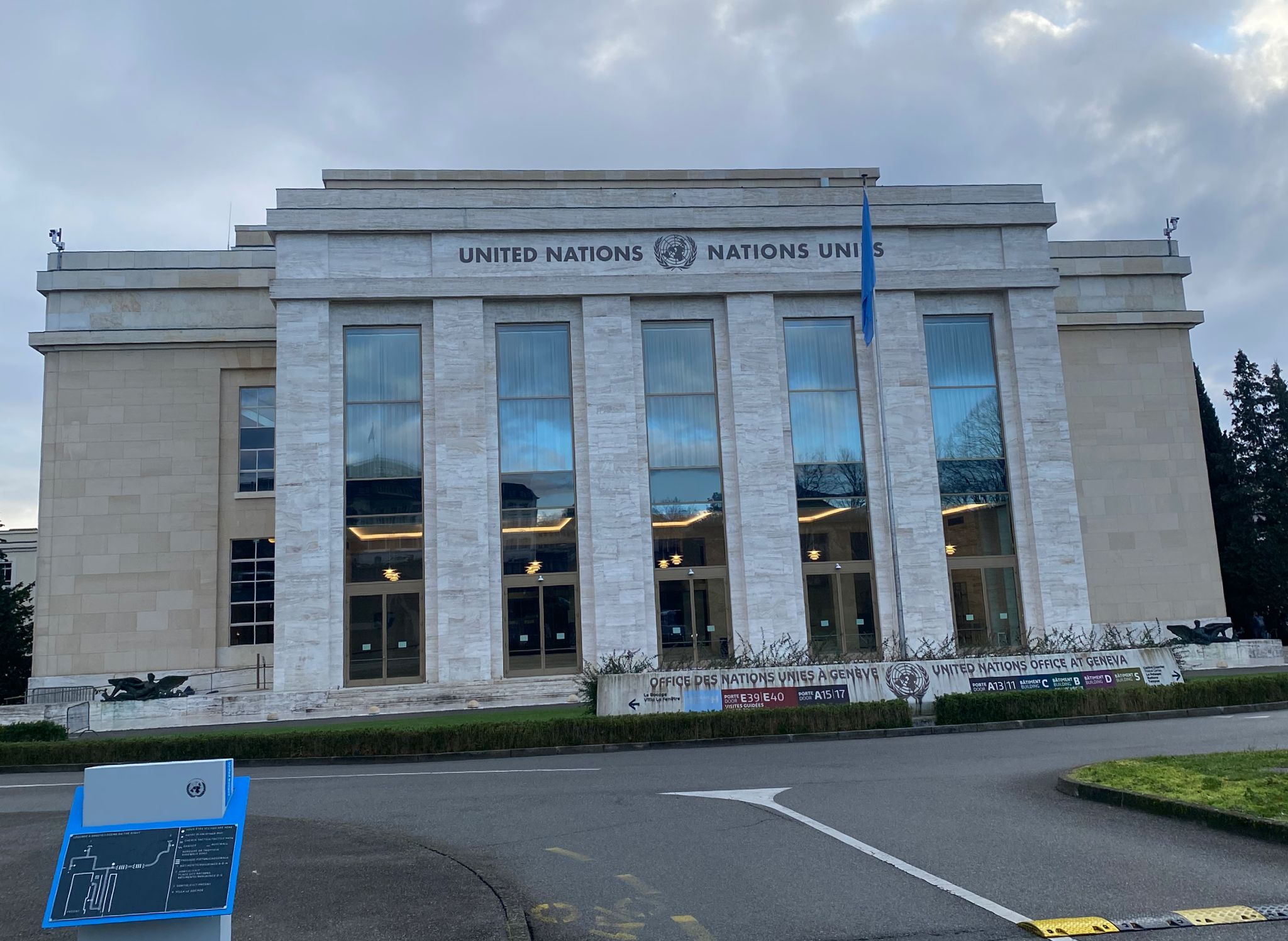
Geneva
This event explored how the Hague Code of Conduct can continue to curb ballistic missile proliferation amid new geopolitical and technological challenges.

OVERVIEW
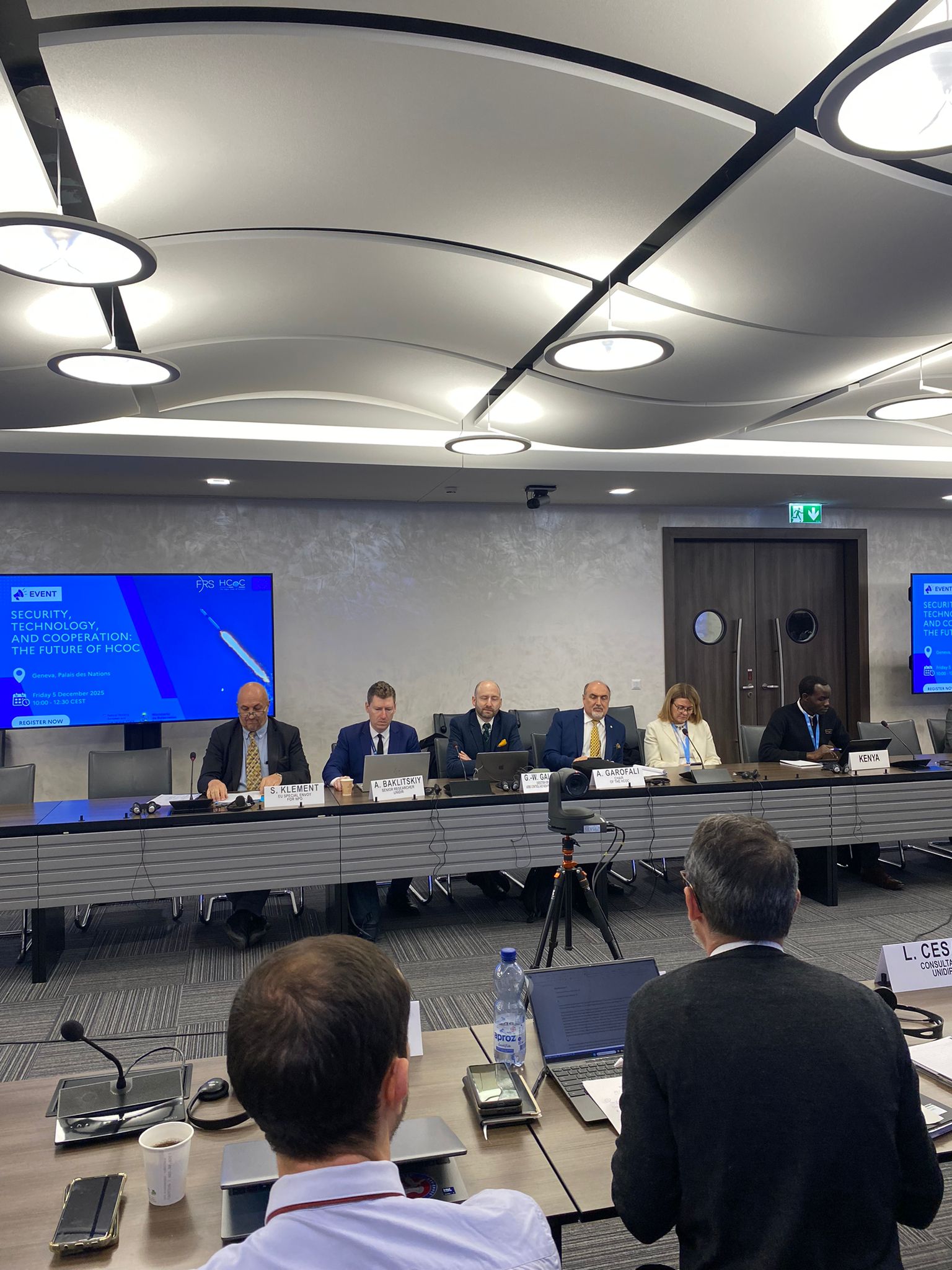
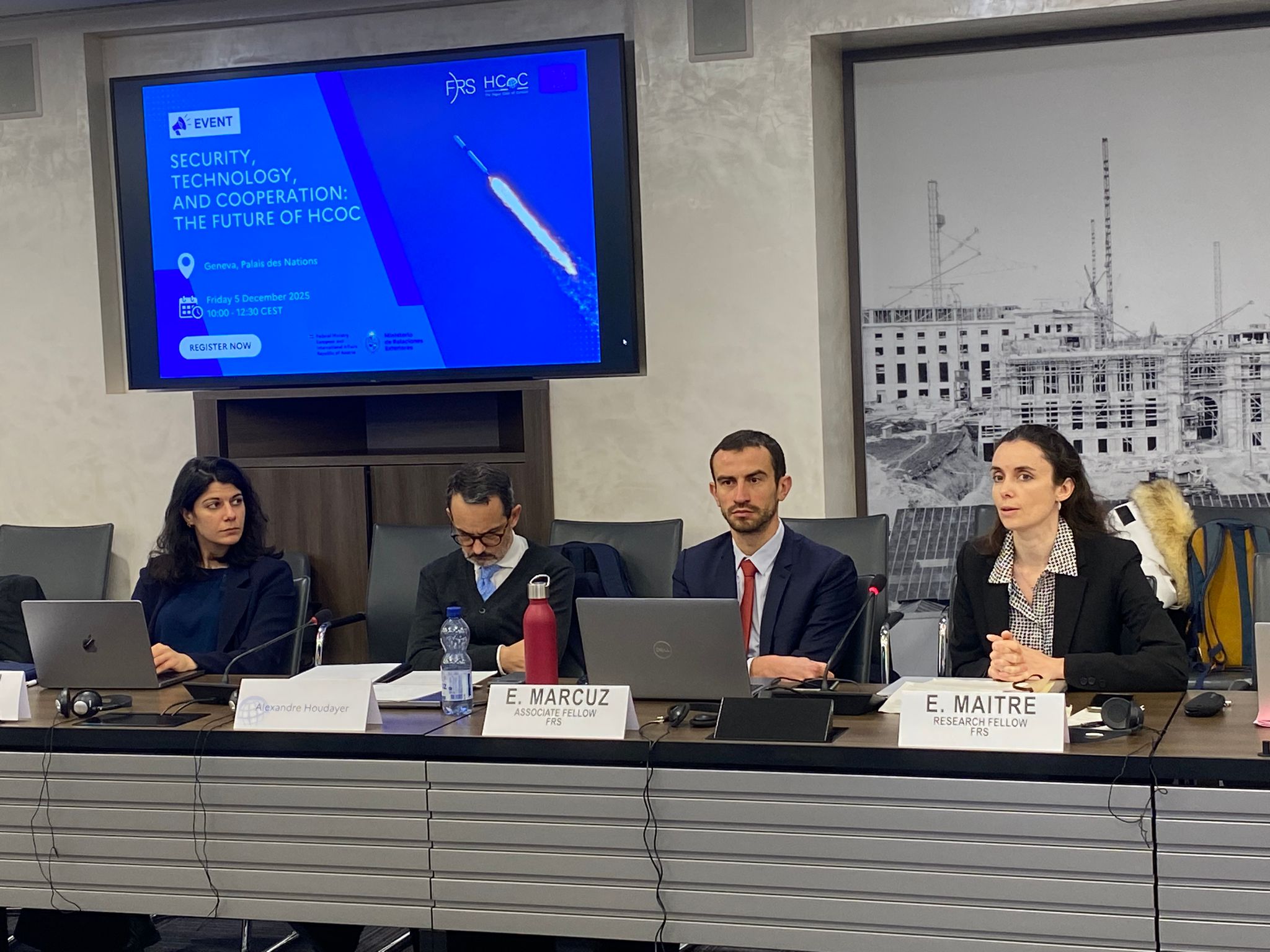
The seminar, Held in Geneva on 5 December 2025, successfully convened international experts and diplomats to address the evolving relevance of the Hague Code of Conduct (HCoC) after more than two decades. While ballistic proliferation remains a global phenomenon, the HCoC has long served to create restraint in WMD-able ballistic missile transfers and testing; however, new developments in geopolitics and technology create additional challenges and opportunities for the Code.
The event navigated the complex intersection of rising geopolitical tensions and rapid technological advancements, with high-level panels assessing the role the HCoC can play in the current context and in the future.
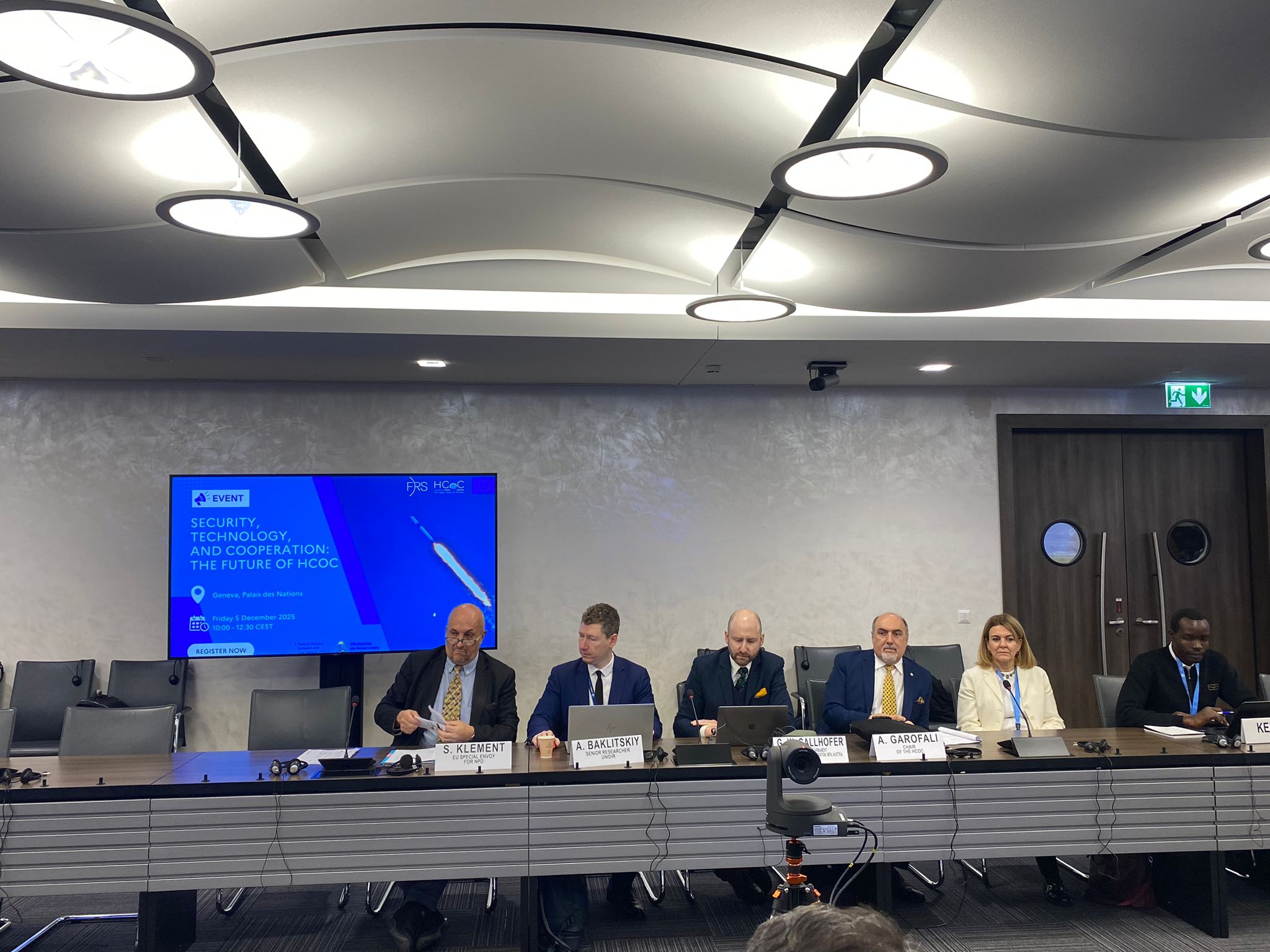
Featuring key figures such as HCoC Chair Amb. Alejandro Garofali and EU Special Envoy Amb. Stefan Klement, participants explored how the Code can adapt to new security realities, ultimately reinforcing its critical status as a flexible yet essential instrument for transparency and restraint.
First Session: Role of the HCoC in a tense international environment
MODERATOR:
- Mr Alexandre Houdayer, Secretary General, FRS
PANELLISTS:
Amb. Alejandro Garofali, Representative of Uruguay to the United Nations (Vienna), Chair of the HCoC (2025-2026)
Amb. Stefan Klement, EU Special Envoy for Non-proliferation and Disarmament, EEAS
Mr Andrey Baklitskiy, Senior Researcher, UNIDIR
- Amb. George-Wilhelm Gallhofer, Director for Disarmament, Arms Control and Non-Proliferation, MFA, Austria (Executive Secretariat of the HCoC)
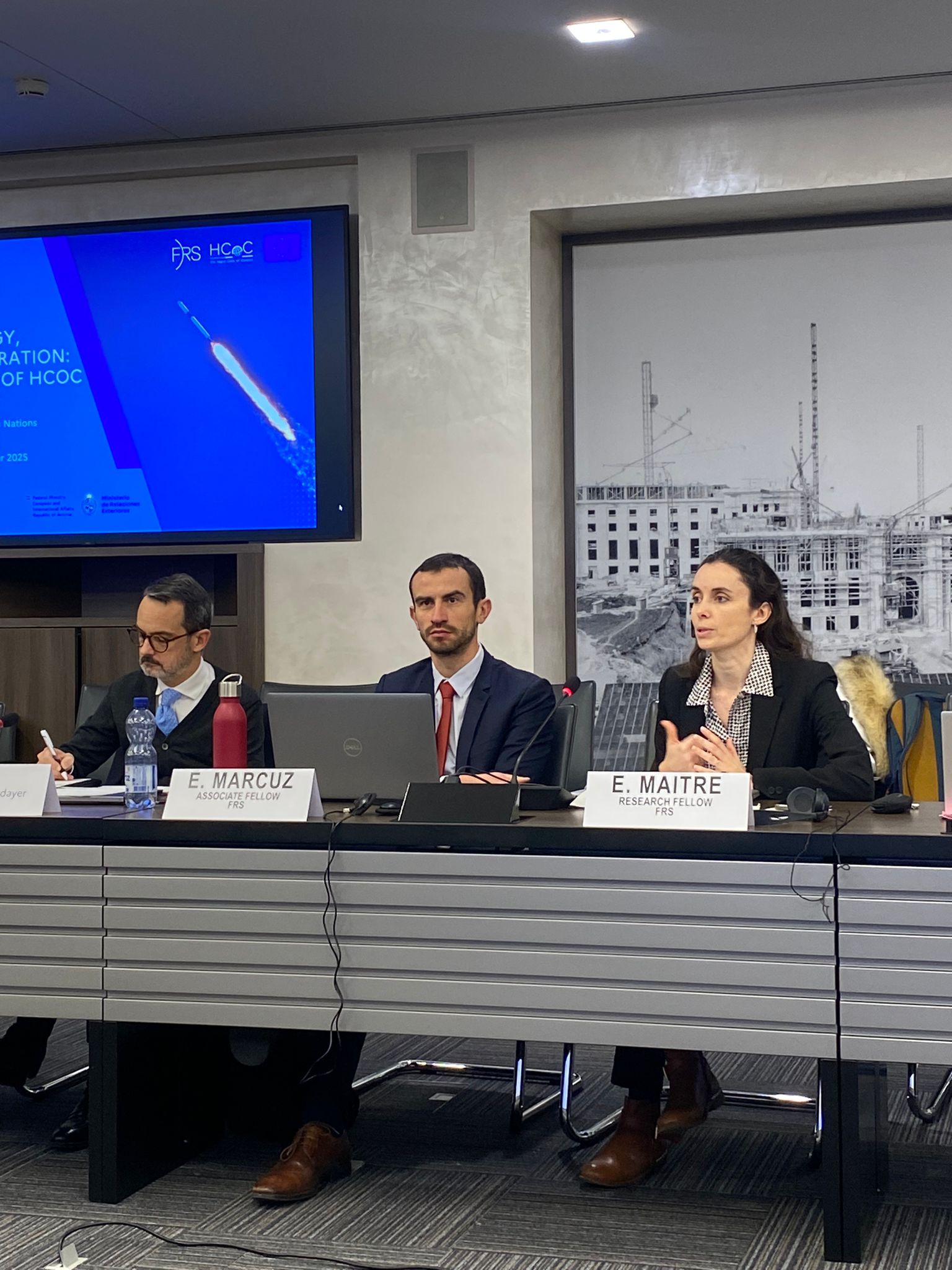
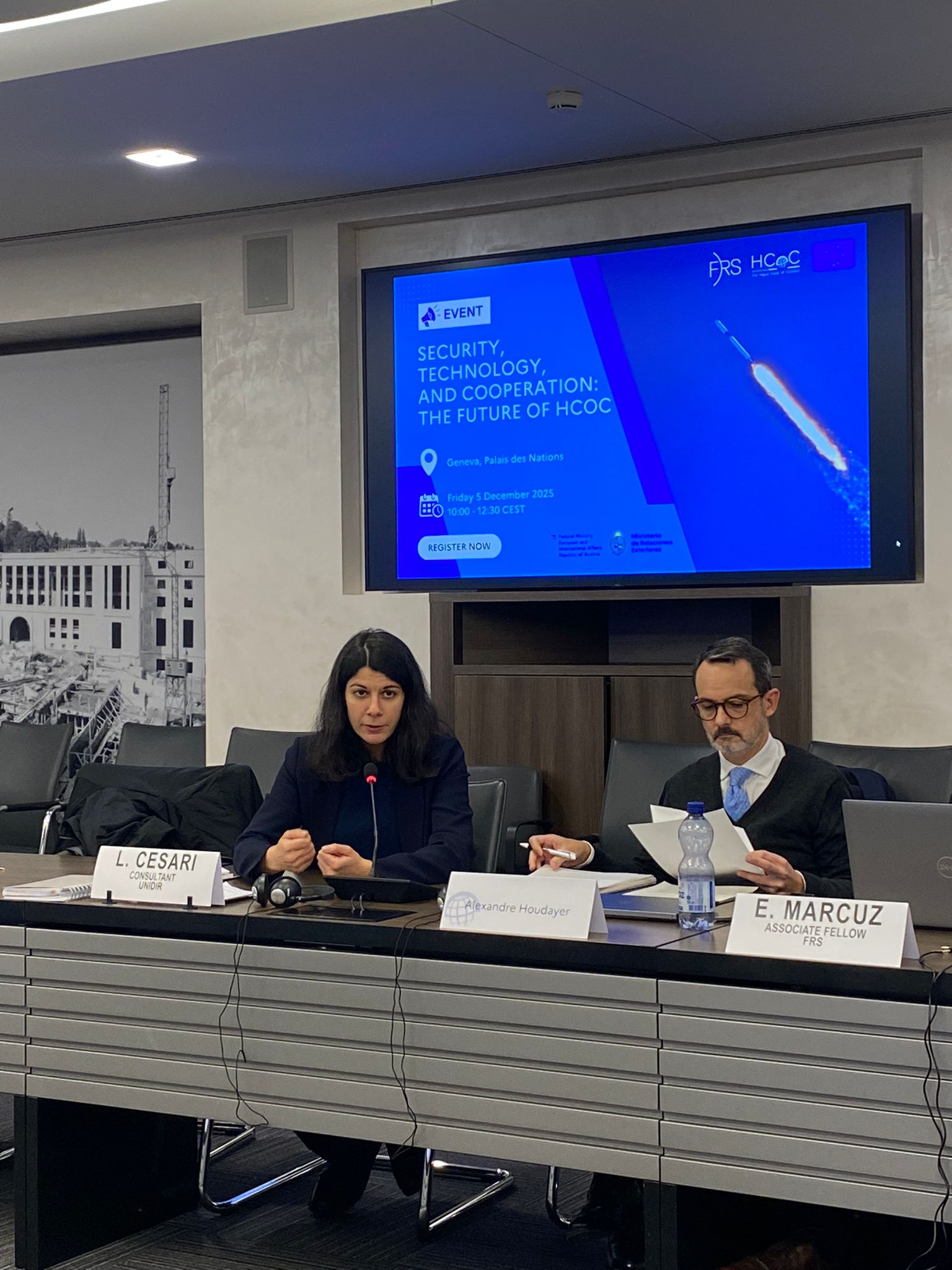
Second Session: The HCoC and the evolution of missile and launcher technologies
Mr Etienne Marcuz, Associate Fellow, FRS
Dr Laetitia Cesari, Consultant, UNIDIR
- Ms Emmanuelle Maitre, Senior Research Fellow, FRS