Webinar - The Shield and the Sword: The Impact of Ballistic Missile Defence on Missile Proliferation

3 December 2025

Online


Scroll down to watch the video, where we explored the interactions between missile defence and missile proliferation, as well as how arms control, non-proliferation, and confidence-building measures may be used to mitigate these dynamics.

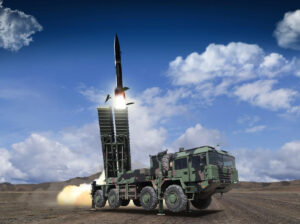
The multiplication of missile strikes in conflicts on a massive scale and the deterioration of strategic relations between major powers have produced a renewed interest in the acquisition of missile defence systems. The Trump administration has quite explicitly expressed this interest with the launch of the ‘Golden Dome’ programme. 

Missile defence acquisition and deployment are largely justified by the dissemination of missile technologies worldwide. Some of their promoters have asserted that they may bring stability or even contribute to curbing missile proliferation. However, the spread and increased capacity of missile are also playing a role in missile proliferation. 

Indeed, countries operating missile forces are incentivised to increase and improve their arsenals in the hope of overcoming defensive architectures. Missiles are also becoming more sophisticated to avoid interception. 

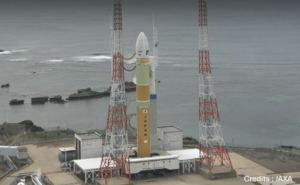
Finally, the development of missile defence is provoking a negative spiral regarding the militarisation of space.


 MODERATOR:

  • Mr Etienne Marcuz, Associate Fellow, FRS


PANELLISTS:

  • Ms Emmanuelle Maitre, Senior Research Fellow, FRS
  • Prof. Sitki Egeli, Associate Professor, Izmir University of Economics
  • Ms Zuzanna Gwadera, Research Analyst and Programme Administrator, IISS-UK
Issue Briefs

The HCoC and African States

While both ballistic programmes and the risk posed by these systems remain very limited on the African continent, ballistic missiles inherently constitute a global risk – due to their range and destructive potential. Instruments such as the HCoC, which seek to limit the proliferation of such systems, are therefore relevant for African countries.

Read More »
Other publications

Overcoming current and future challenges linked to missile proliferation: Prospective analysis and possible ways forward for the HCoC

This report, written by the HCoC Youth Group, addresses four dimensions of missile proliferation: regional concerns, transfer to non-state actors, transformation of regulatory tools, and relations to space security. It studies in particular how these developments could impact the way the Hague Code of Conduct tackles missile proliferation and proposes ways forward.

Read More »