Expert Mission on HCoC with Vietnam

10 December 2020

Hybrid

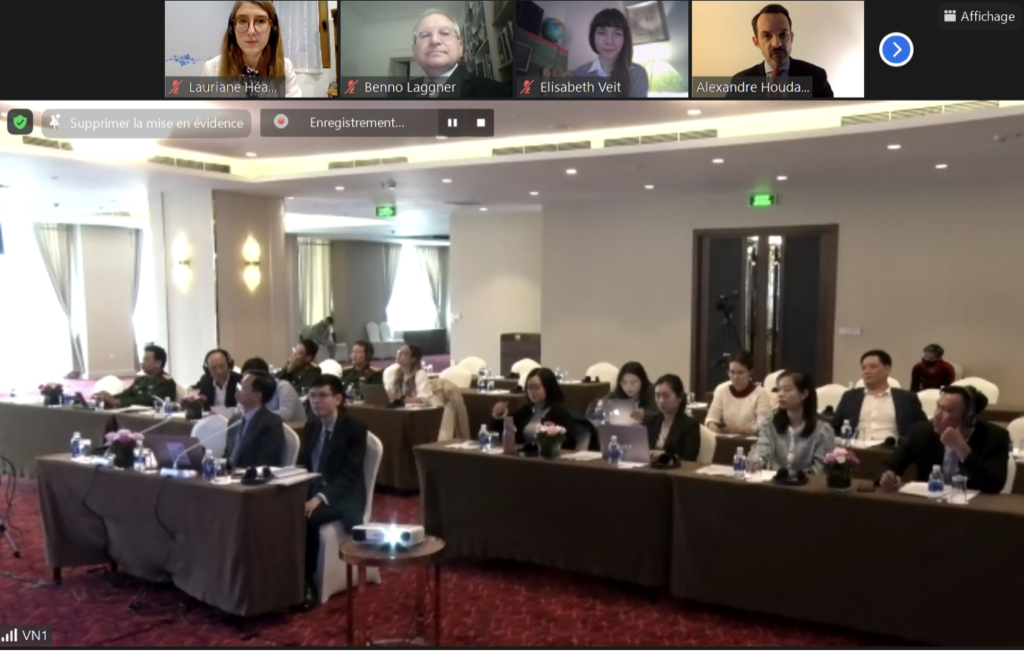
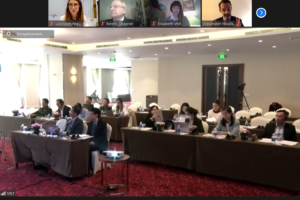
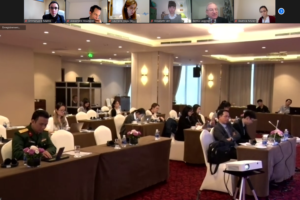
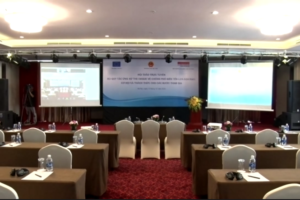
On 10 December 2020, the FRS and representatives from the government of Vietnam discussed over ballistic missile proliferation and the role of the Hague Code of Conduct. This event took the form of a hybrid event with representatives of Vietnam gathering in Hanoi and experts from FRS, the EU, the Swiss Chair and Austria presenting virtually.

This mission was part of a series of targeted national visits.

AGENDA

PRESENTATION & SCOPE OF THE PROJECT

  • Alexandre HOUDAYER, Secretary General, FRS
  • Georgios KRITIKOS, Deputy Head of Division, Disarmament, Non-proliferation and Arms Export Control, European External Action Service, European Union


I/ KEYNOTE INTRODUCTION – MISSILE PROLIFERATION: A GLOBAL CHALLENGE

  • Emmanuelle MAITRE, Research Fellow, FRS


II/ THE HCoC: A MULTILATERAL INSTRUMENT TO CURB THE PROLIFERATION OF MISSILES

MODERATOR:

  • Emmanuelle MAITRE, Research Fellow, FRS


PRESENTERS:

  • Benno LAGGNER, Resident Representative to the IAEA, Permanent Representative to the CTBTO PrepCom, Permanent Mission of Switzerland, Vienna, Austria, Current Chair of the HCoC
  • Tran Chi THANH, Deputy Director General, Department of International Organizations, Ministry of Foreign Affairs (MOFA), Vietnam
  • Elisabeth VEIT, Desk Officer, Department for Disarmament, Arms Control and Non-Proliferation, Austria, Immediate Central Contact/Executive Secretariat HCoC
  • Alexandre HOUDAYER, Secretary General, FRS
  • Lauriane HEAU, European Projects Manager, FRS


KEY ISSUES:

  • Contribution of the Code to international security
  • Being a Subscribing State: commitments and benefits
  • Day-to-day implementation of the Code
  • What opportunities for Vietnam in joining the Code? What constraints?
  • Q&A and debate


Research Papers

The HCoC and China

China is currently the main ballistic missile possessor and spacefaring nation which remains outside the Hague Code of Conduct against Ballistic Missile Proliferation (HCoC). This can be explained by China’s traditional opacity regarding its deployment of strategic missiles, but also its exports of ballistic systems or technologies abroad. This absence is nonetheless problematic for a regime based on voluntary transparency and confidence-building which aims at universality.

Read More »
Research Papers

The Rise of Small Launchers: What Impact on Ballistic Missile Proliferation?

This paper recalls the state of ballistic missile proliferation at the time of the adoption of the Code, before delving into the genesis of the Code and especially the various reports and meetings that promoted the adoption of a supply-side multilateral instrument. It describes the conferences and diplomatic efforts that led to the Code in 2002. It also explains why the Code ended up the way it is today with modest ambitions but concrete outcomes.

Read More »