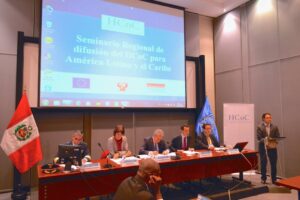
Latin America & Caribbean outreach seminar on HCoC
1 July 2014
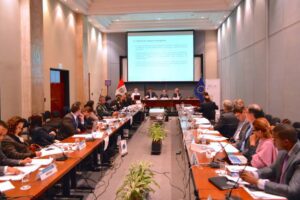
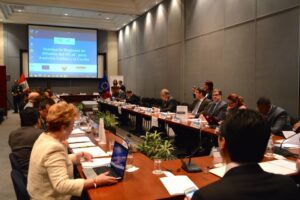
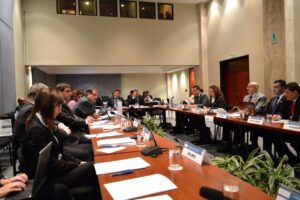
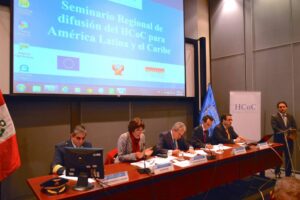
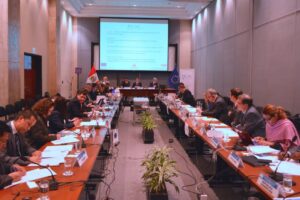
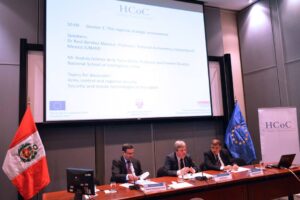
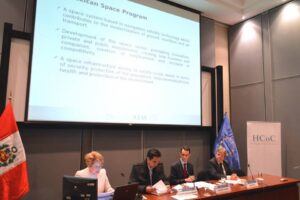
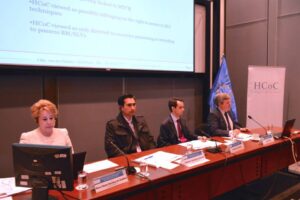
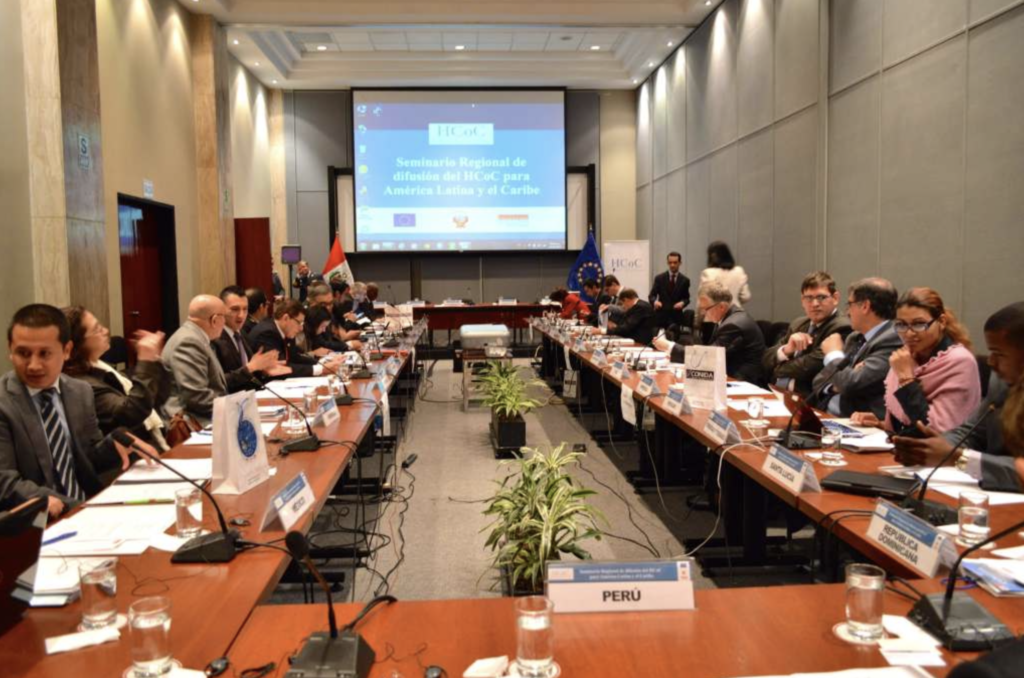
On 1 July 2014, the FRS organised, on behalf of the European Union, a regional outreach seminar to raise awareness of ballistic missile proliferation and encourage discussions on perspectives to better address the ballistic missile proliferation threat at a regional level. This event was held in collaboration with the Republic of Peru, at the Peruvian Ministry of Foreign Affairs in Lima.
AGENDA
WELCOMING REMARKS
- Alexandre HOUDAYER, Secretary General, Foundation for Strategic Research
- H.E. Irene HOREJS , Head of Delegation, Delegation of the European Union to Peru
- Amb. Juan Fernando ROJAS SAMANEZ, Vice Minister of Foreign Relations, Republic of Peru
I/ THE REGIONAL STRATEGIC ENVIRONMENT
- Dr. Raúl BENÍTEZ MANAUT, Professor, National Autonomous University of Mexico (UNAM)
- Andrés GÓMEZ DE LA TORRE ROTTA, Professor and Former Director, National School of Intelligence, Lima
KEY ISSUES:
- Arms control and regional security
- Security and missile technologies in the region
II/ REGIONAL DYNAMICS CONCERNING SPACE-LAUCH & BALLISTIC TECHNOLOGIES
- Dr. Xavier PASCO, Senior Research Fellow, Foundation for Strategic Research
- Dr. Gustavo HENRÍQUEZ CAMACHO, Secretary General, Space Agency of Peru
- Rosa María RAMÍREZ DE ARELLANO Y HARO, Deputy Director of Foreign Affairs and Space Security, Mexican Space Agency
KEY ISSUES:
- Issues arising from dual-use technologies and related strategies
- Regional ballistic and space-launch programmes and capabilities
III/ THE HCoC AGAINST THE PROLIFERATION OF BALLISTIC MISSILES: UNIVERSALITY, IMPLEMENTATION & VISIBILITY
- Amb. Jacek BYLICA, Principal Advisor and Special Envoy for Non-Proliferation and Disarmament, European External Action Service
- Minister Hugo FLORES, Director for Defence and Security, Peruvian Ministry of Foreign Affairs
- Hellmut LAGOS, Deputy Permanent Representative of Chile to the United Nations and other International Organisations in Vienna
KEY ISSUES
- The EU Strategy to combat the proliferation of WMD delivery systems
- Presentation by current HCoC Chair of progress and challenges relating to HCoC universality, implementation and visibility
- The role of the Code and other TCBMs in regional dynamics and the regional security environment
CONCLUDING REMARKS
- Dr. Xavier PASCO, Senior Research Fellow, Foundation for Strategic Research