Le Code de conduite de La Haye contre la prolifération des missiles balistiques

Sécurité Globale

Numéro 2010/1 (N° 11)

The Hague Code of Conduct (HCoC) against the Proliferation of Ballistic Missiles has been adopted in November 2002, in order to bolster the international effort to reduce and prevent the proliferation of delivery systems which can carry weapons of mass destruction. It supplements the Missile Technology Control Regime, but unlike the RCTM, it is a non-binding tool which consists on modest confidence-building measures. Despite its 130 members, the Code faces many obstacles and criticism : the absence of several states possessing missile technologies, the non-compliance of their obligations by Russia and the United States, and the absence of cruise missiles from the document. But its non-binding nature can be an asset : it could allow a pragmatic approach which could be effective in the long term. Implementation and universalisation of the Code requires also to greater effort of communication and information within member States and with non-member states.

JUNE 2010 

David Pagès

INTRODUCTION

“Une approche aussi pragmatique, par nécessité, est-elle une faiblesse sur le long terme ? Ou, au contraire, peut-elle être un atout pour faire évoluer le Code ?”
Sept ans après l’adoption du Code de conduite de La Haye contre la prolifération des missiles balistiques (Hague Code of Conduct, HCOC), un état des lieux est nécessaire, d’autant que très peu d’études lui sont consacrées – une dizaine de brefs articles en tout depuis 2002. Ce texte a priori très limité, mais qui regroupe pourtant 130 pays, dont les États-Unis, la Russie et l’Union européenne est en butte à de nombreux obstacles, externes comme internes. La situation internationale et l’attitude des pays membres et non-membres, de même que les faiblesses et limites du texte lui-même, obèrent sa crédibilité et son efficacité actuelle. L’enjeu principal est de savoir par quels moyens assurer la pérennité, l’universalisation, la mise en œuvre et l’amélioration du HCOC : comment attirer les puissances balistiques non-signataires et souvent très réticentes ? Quelles approches sont les plus prometteuses ? De plus, la recherche du consensus entre les signataires a abouti à un accord portant au niveau du plus petit dénominateur commun, et donc à un texte modeste et non-contraignant : une approche aussi pragmatique, par nécessité, est-elle une faiblesse sur le long terme ? Ou, au contraire, peut-elle être un atout pour faire évoluer le Code ?

Issue Briefs

The HCoC and Space

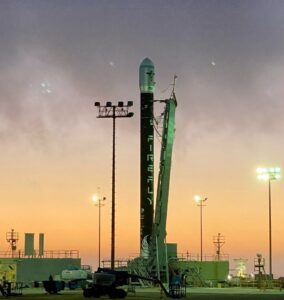
The New Space trend – an ongoing innovative transformation of the space sector – has led to a rise of investment in small launch systems. While an increasing number of nations are gaining access to space, the number of private sector entities investing in this domain is also rising. Meanwhile, small space launch vehicles and ballistic missiles rely on increasingly similar technologies.

Read More »
Issue Briefs

The HCoC at Twenty

Since its inception and through the collective outreach efforts of its Chairs, the Executive Secretariat, the EU and the United Nations, the Hague Code of Conduct has received growing support. It has improved its efficiency and implementation through a series of initiatives which have made it more easily accessible.

Read More »