The HCoC as an effective risk reduction tool

11 April 2024

Vienna 

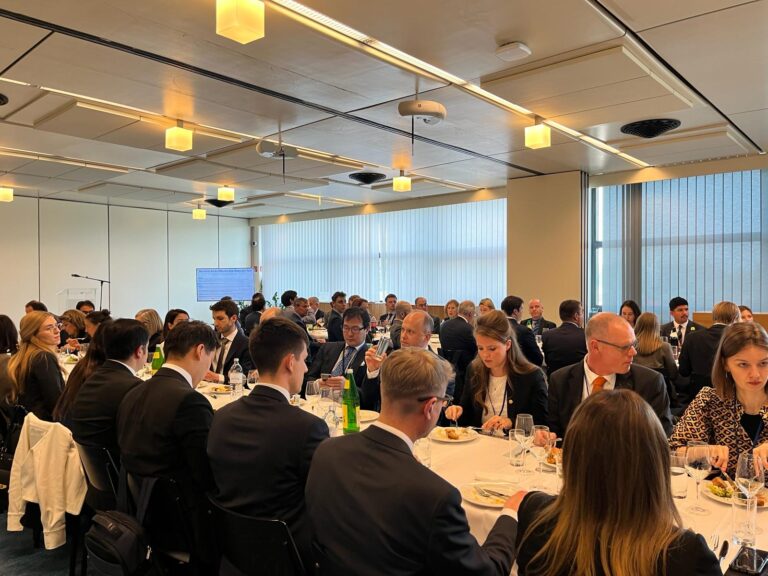
On 11 April 2024, the FRS organised a side event in the margins of the HCoC Annual Regular Meeting.

AGENDA

At a time of crisis of the arms control architecture, the Hague Code of Conduct plays an important role to bring transparency on potentially destabilising weapons and behaviours. In addition to its official purpose of curbing the proliferation of ballistic missiles, it is now key as part of risk reduction measures.

This side event assessed this function and discussed the specific dimension of the HCoC as a risk reduction measure.



Introduction

  • Mr Stefan Tressing, European External Action Service (EEAS), European Union
  • Amb. Eoin O’Leary, Ambassador and Permanent Representative of Ireland to the International Organisations in Vienna, HCoC Chair 2023-2024
  • Amb. Alex Wetzig Abdale, Ambassador and Permanent Representative of Chile to the International Organisations in Vienna, HCoC Chair 2024-2025


Main session: Upcoming trends in missile proliferation

 MODERATOR:

  • Mr Alexandre Houdayer, Secretary General, FRS


PANELLISTS:

  • Ms Pamela Durham, Director, Office of Missile, Biological, and Chemical Weapons Nonproliferation, U.S. Department of State
  • Mr Takanobu Sato, Assistant Director, Non-Proliferation, Science and Nuclear Energy Division, Disarmament, Non-Proliferation and Science Department, Ministry of Foreign Affairs of Japan
  • Dr Marion Messmer, Senior Research Fellow, International Security Programme, Chatham House
  • Ms Nivedita Raju, Researcher, Weapons of Mass Destruction Programme, SIPRI
Issue Briefs

The Hague Code of Conduct in the Middle East

The HCoC holds special significance in the Middle East as the region is fraught with the development of ballistic arsenals, the use of missiles on the battlefield and the proliferation of such systems towards both states and non-state actors. Moreover, several ballistic missile programmes have been closely associated with WMD acquisition.

Read More »
Issue Briefs

The HCoC and African States

While both ballistic programmes and the risk posed by these systems remain very limited on the African continent, ballistic missiles inherently constitute a global risk – due to their range and destructive potential. Instruments such as the HCoC, which seek to limit the proliferation of such systems, are therefore relevant for African countries.

Read More »
Research Papers

Origins and Development of the Hague Code of Conduct  

This paper recalls the state of ballistic missile proliferation at the time of the adoption of the Code, before delving into the genesis of the Code and especially the various reports and meetings that promoted the adoption of a supply-side multilateral instrument. It describes the conferences and diplomatic efforts that led to the Code in 2002. It also explains why the Code ended up the way it is today with modest ambitions but concrete outcomes.

Read More »