
SIDE-EVENT IN THE MARGINS OF THE UNGA FIRST COMMITTEE

22 October 2024

CR.8, UNHQ, New York

This side-event is organised FRS, as implementing Agency of the EU project in support of the Hague Code of Conduct against Ballistic Missile Proliferation (HCoC) in the margins of the UNGA First Committee. The EU project is implemented according to the EU Council Decision Council Decision (CFSP) 2017/2370.

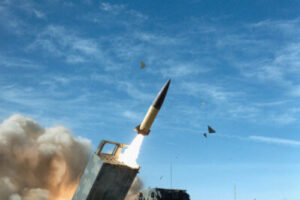
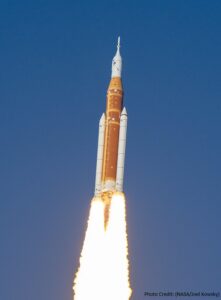
The Hague Code of Conduct against Ballistic Missile Proliferation (HCoC) is known for inviting states to display transparency in ballistic missile programmes and launches in order to avoid misunderstanding and miscalculation. However, because of the technological proximity between ballistic missiles and space launch vehicles, it also requires states to be transparent about launchers and launches.

This side event will explore the role played by the Code in the space domain and how it contributes to confidence in launching activities. It will also evoke the evolution seen in space and assess to what extent other initiatives could play a stabilizing role in space activities.

AGENDA

13:15 – Introduction 

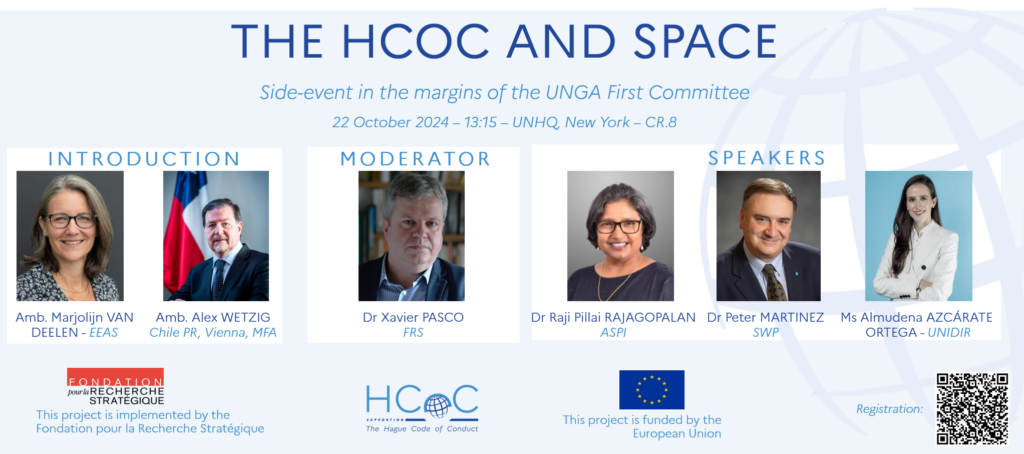
  • Marjolijn VAN DEELEN, Special Envoy for Space, European External Action Service (EEAS), European Union (remotely)
  • Alex WETZIG, Permament Representative of Chile to the United Nations in Vienna, Chile (Chair of the HCoC 2024-2025)


13:30 – Main session 

MODERATOR: Dr Xavier PASCO, Secretary General, Foundation for Strategic Research (FRS) 

PANELLISTS:  

  • Dr Peter MARTINEZ, Executive Director, Secure World Foundation (SWF)
  • Dr Raji Pillai RAJAGOPALAN, Resident Senior Fellow, Australian Strategic Policy Institute (ASPI)
  • Ms Almudena AZCÁRATE ORTEGA, Space Security Researcher, United Nations Institute for Disarmament Research (UNIDIR)
Research Papers

Limiting the proliferation of WMD means of delivery: a low-profile approach to bypass diplomatic deadlocks

Since the creation of the HCoC in 2002, the need for more collective commitment and action to fight the proliferation of ballistic missiles has certainly not decreased. The destabilizing nature of these weapons has not changed. Non-proliferation is just less about keeping the world stable and more about not adding a risk factor to an uncertain future. The HCoC was and remains a response to that need, but certainly not the end of the quest for improvement.

Read More »
Issue Briefs

The HCoC and Strategic Risk Reduction

As a multilateral instrument, the HCoC holds a particular place in a global architecture of measures that attempts to reduce the destabilising nature of ballistic missiles. By promoting transparency about policies and launches, it aims to limit the risk of misunderstanding, misinterpretation, and worst-case assessments.

Read More »