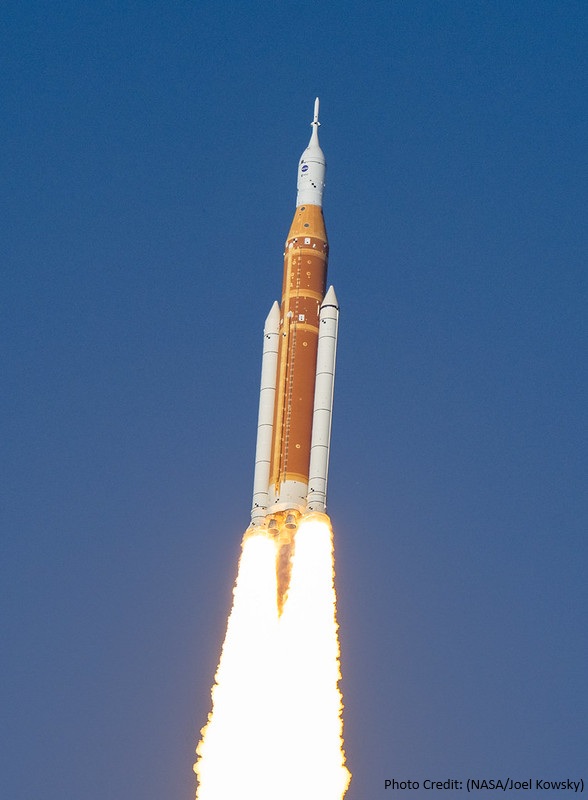
Successful launch for the Artemis Mission
On 2 April 2026, at 00:24 UTC, NASA launched the Space Launch System (SLS) as part of its Artemis II mission, marking the first crewed flight to lunar orbit since the Apollo missions.
On 2 April 2026, at 00:24 UTC, NASA launched the Space Launch System (SLS) as part of its Artemis II mission, marking the first crewed flight to lunar orbit since the Apollo missions.
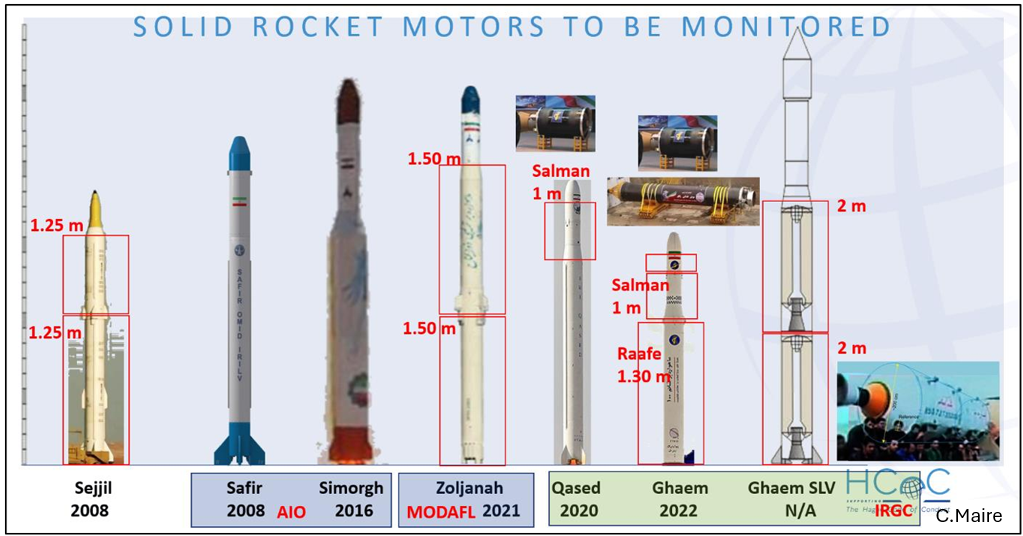
Two Iranian ballistic missiles targeted the US-UK base on Diego Garcia; one malfunctioned, and the other was intercepted before reaching the base.
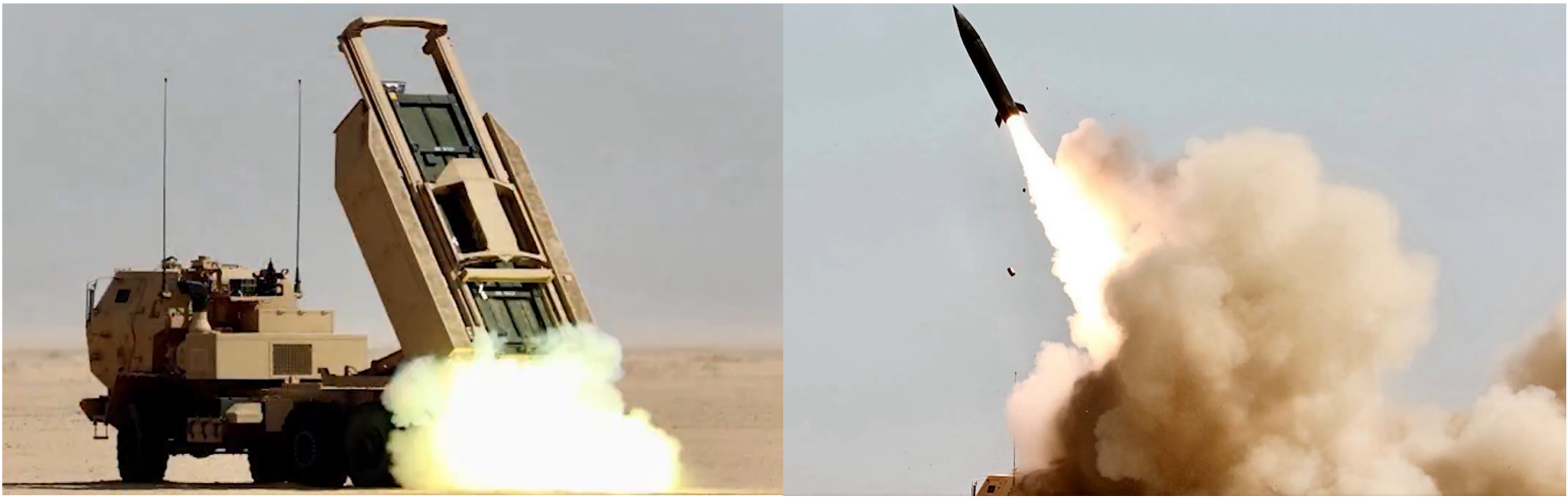
The United States has announced the first use in combat of the PrSM missile. Available images do not allow confirmation of those strikes.
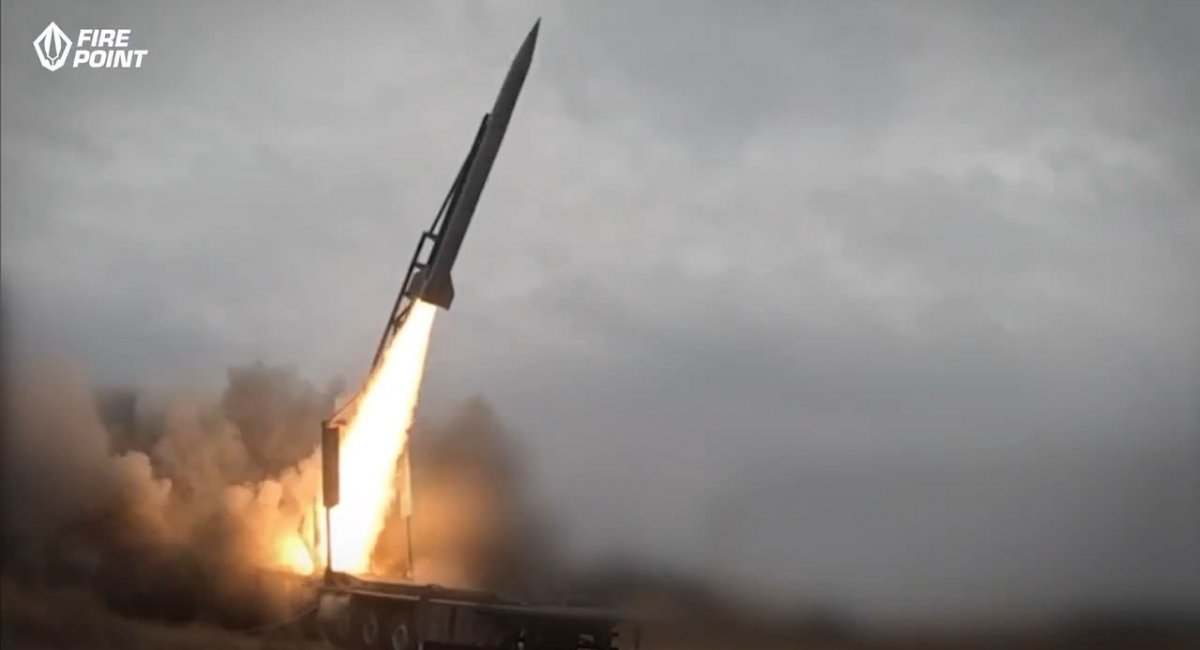
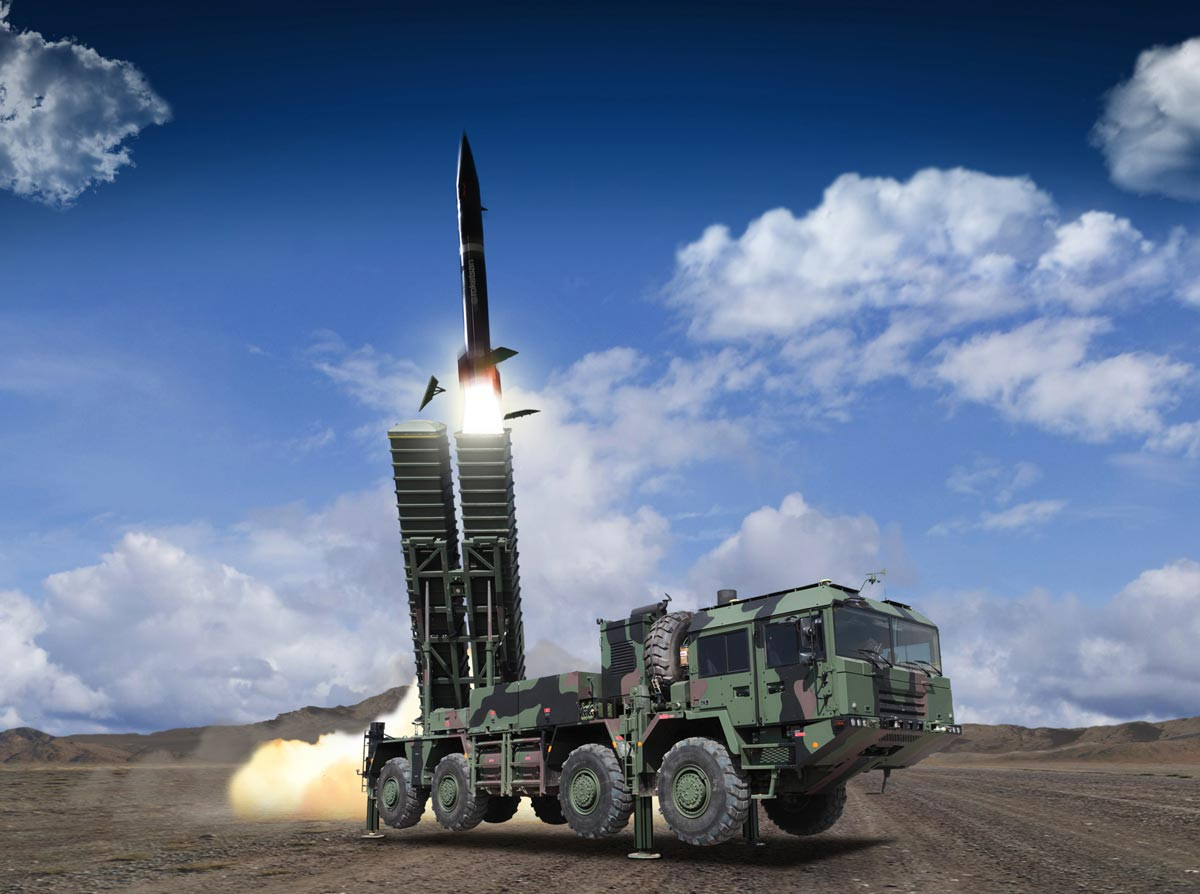
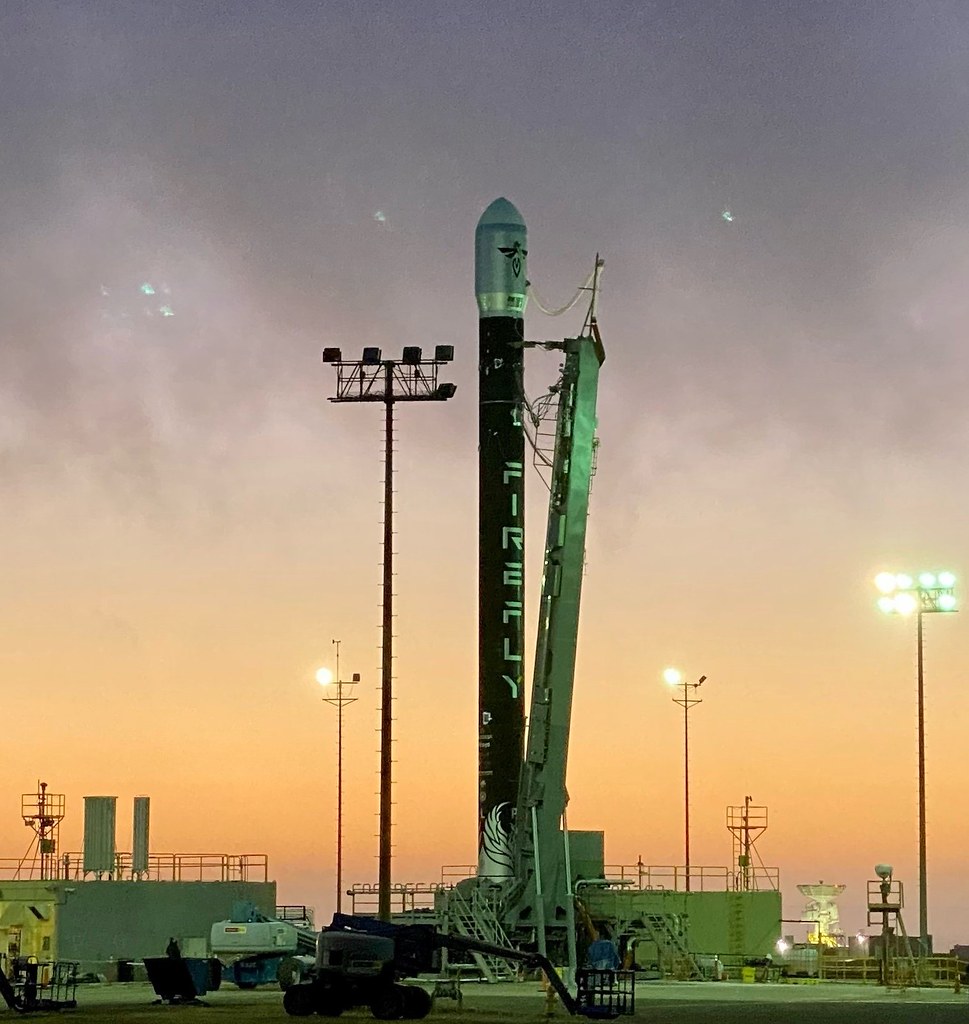
Firepoint tested the FP-7, a high-speed, low-cost tactical ballistic missile with a 300 km range.
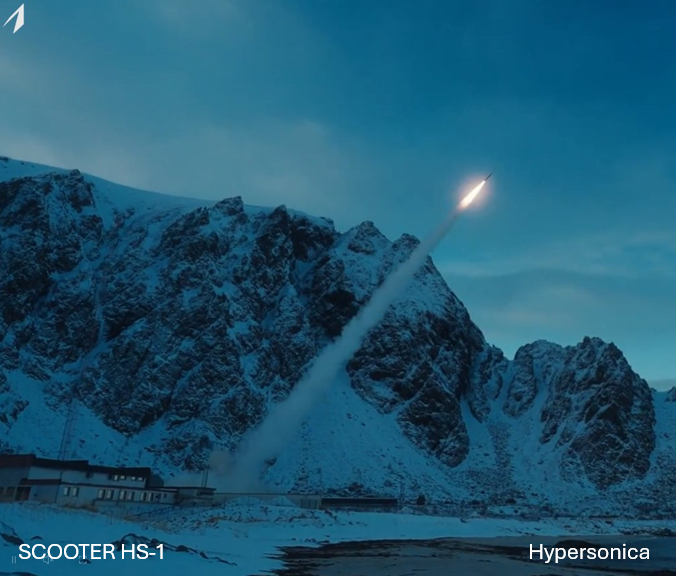
On 3 February 2026, the Anglo-German startup Hypersonica conducted the first hypersonic test flight of its SCOOTER HS-1 demonstrator from Andøya Space.
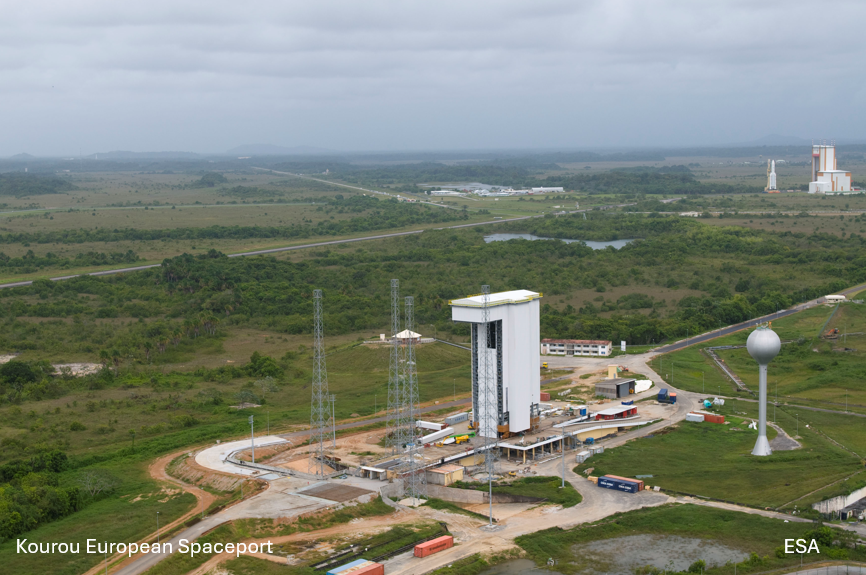
On 12 February 2026, Arianespace successfully carried out the first heavy-configuration flight of the Ariane 64, marking an important step in the development of the European launcher.
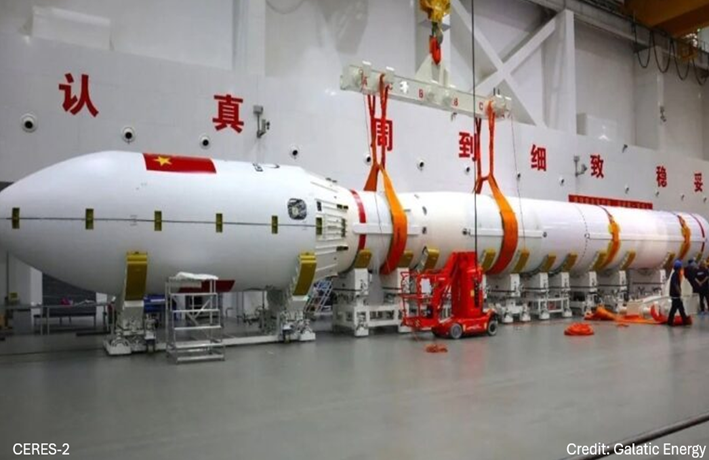
China’s CERES-2 program faces a major setback as its first launch fails, highlighting the technological challenges in developing medium-class launchers.
Entre montée des ambitions spatiales et diffusion de technologies à double usage, l’Afrique se trouve confrontée à de nouvelles vulnérabilités stratégiques. Dans ce contexte, le Code de conduite de La Haye offre un cadre de soft law permettant de concilier transparence, prévention de la prolifération et légitimation des ambitions technologiques au sein des architectures régionales de sécurité.
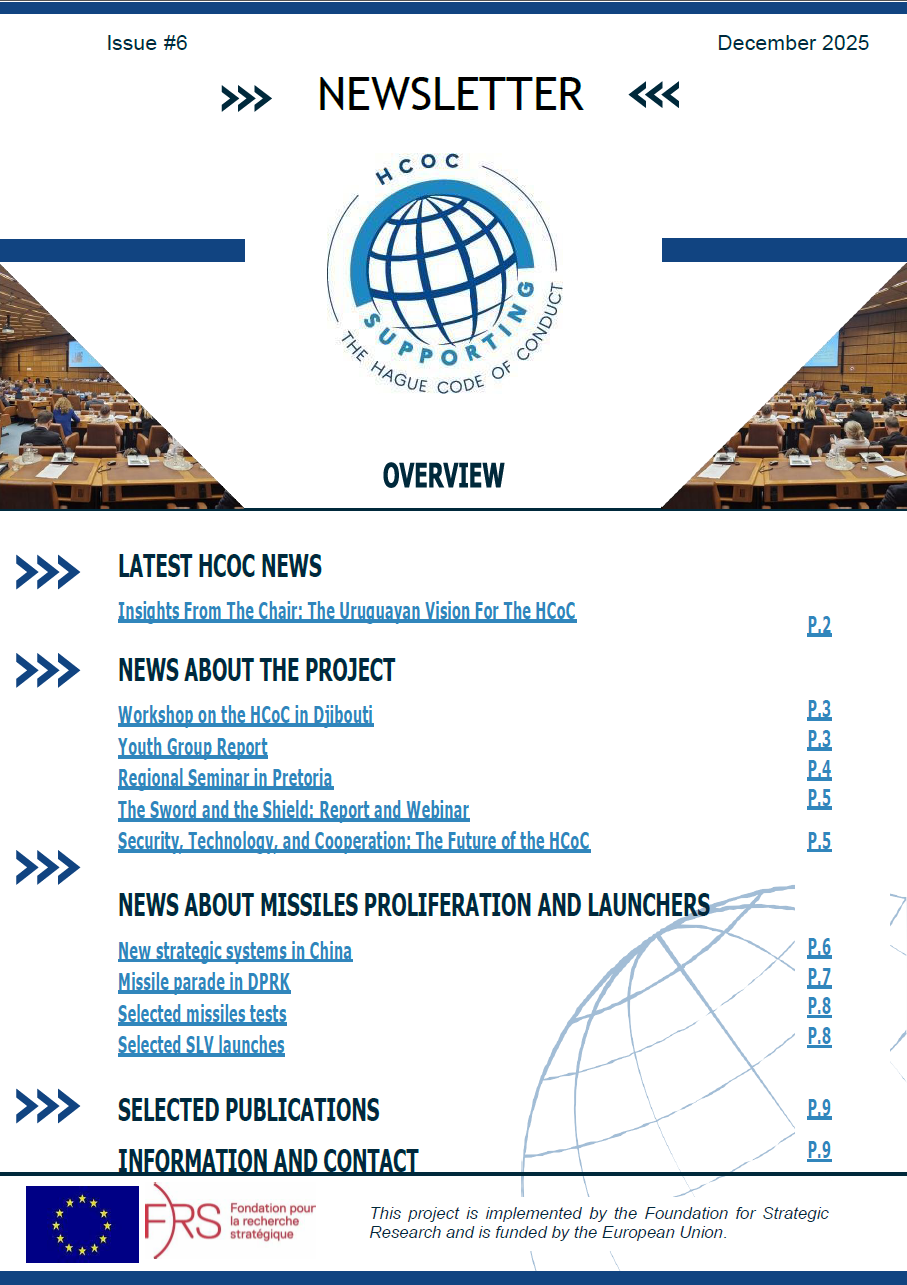
Read news of the Code, updates on our recent activities and latest information about ballistic missile tests and space launches.

Missile defence has become increasingly attractive in recent years, following the demonstration of its efficacity in the Israeli-Iranian conflict, and has epitomised by the ambitious Golden Dome programme. However, its relationship with missile proliferation is ambiguous. Arms control, non-proliferation and confidence building measures can to some extent address some of the most destabilizing features of this offense-defence competition.
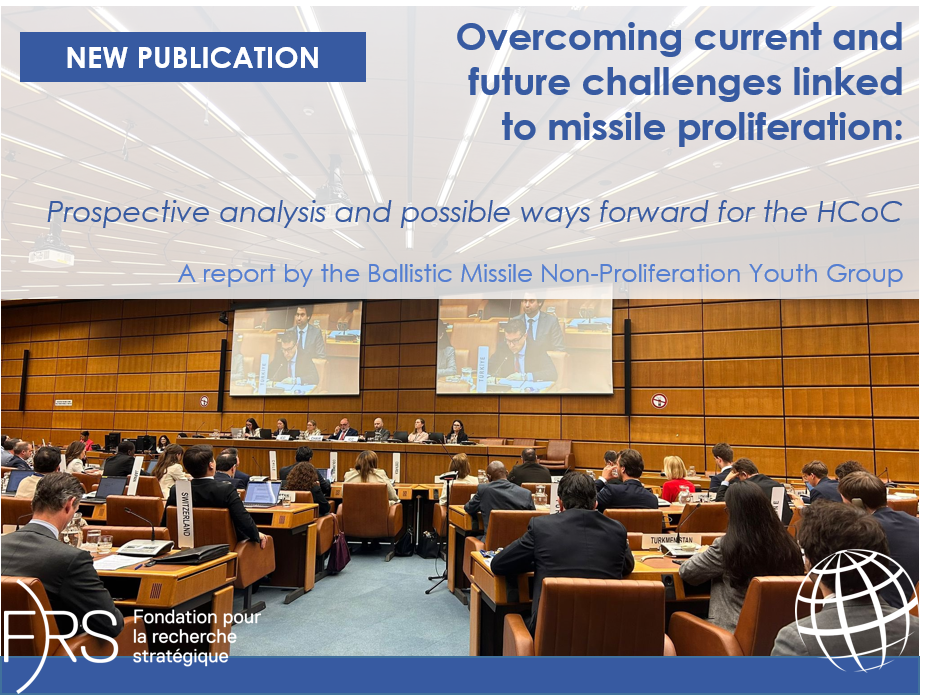
This report, written by the HCoC Youth Group, addresses four dimensions of missile proliferation: regional concerns, transfer to non-state actors, transformation of regulatory tools, and relations to space security. It studies in particular how these developments could impact the way the Hague Code of Conduct tackles missile proliferation and proposes ways forward.
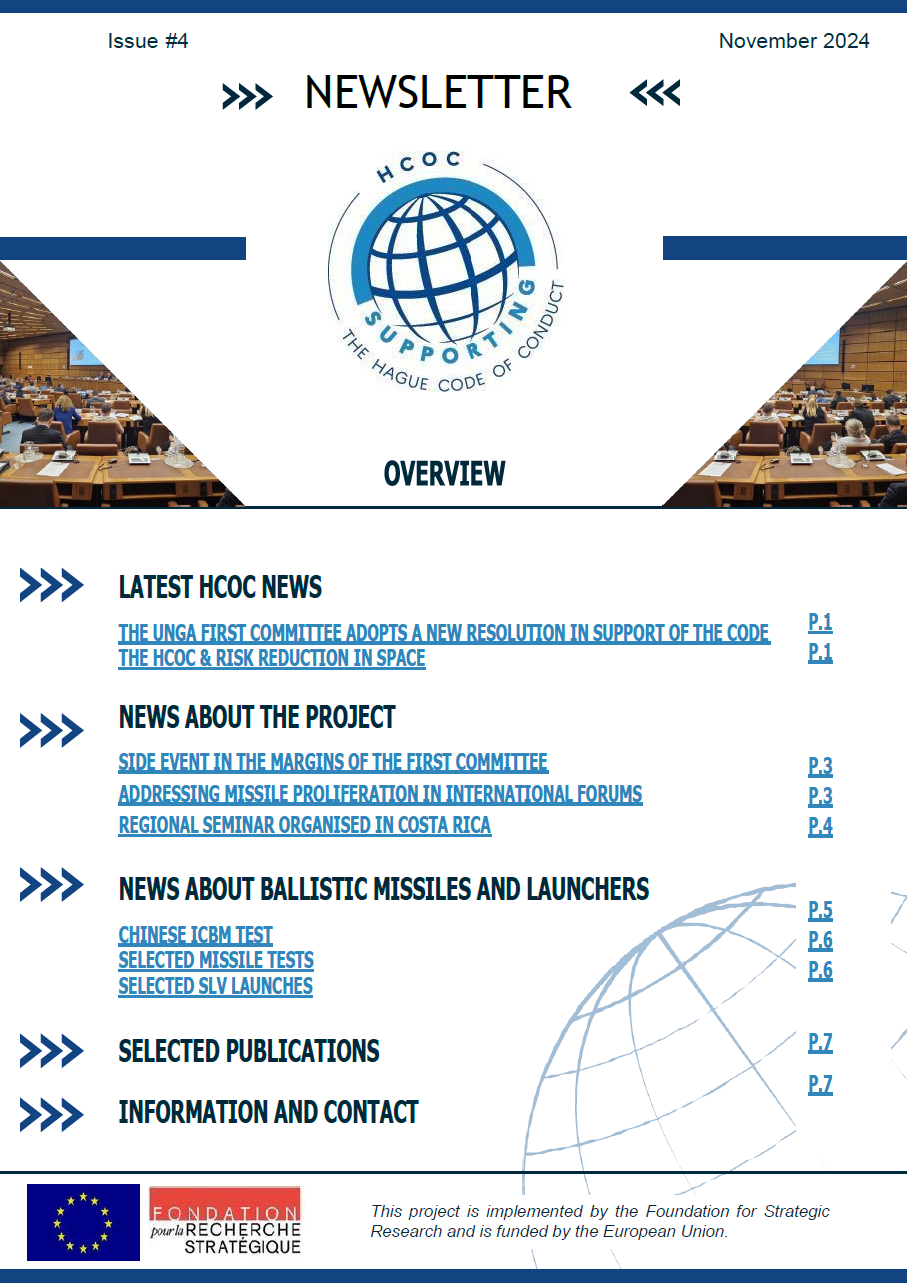
Read news of the Code, updates on our recent activities and latest information about ballistic missile tests and space launches.
This paper recalls the state of ballistic missile proliferation at the time of the adoption of the Code, before delving into the genesis of the Code and especially the various reports and meetings that promoted the adoption of a supply-side multilateral instrument. It describes the conferences and diplomatic efforts that led to the Code in 2002. It also explains why the Code ended up the way it is today with modest ambitions but concrete outcomes.
In the field of arms control and non-proliferation, ‘emerging technologies’ are commonly perceived as creating potential threats that may make it even more difficult to prevent arms racing and regulate global competition. Given the dual-nature of the Hague Code of Conduct, space developments must also be considered to assess the adaptability of the regime to new technologies.
The generalisation of ballistic missiles as conventional weapons, used regularly as an alternative to air strikes, cruise missiles or even drones, conducts to a new reflection on the role of the Code in the current environment.
Read news of the Code, updates on our recent activities and latest information about ballistic missile tests and space launches.
Read news of the Code, updates on our recent activities and latest information about ballistic missile tests and space launches.
This paper recalls the state of ballistic missile proliferation at the time of the adoption of the Code, before delving into the genesis of the Code and especially the various reports and meetings that promoted the adoption of a supply-side multilateral instrument. It describes the conferences and diplomatic efforts that led to the Code in 2002. It also explains why the Code ended up the way it is today with modest ambitions but concrete outcomes.
Read news of the Code, updates on our recent activities and latest information about ballistic missile tests and space launches.
Read news of the Code, updates on our recent activities and latest information about ballistic missile tests and space launches.