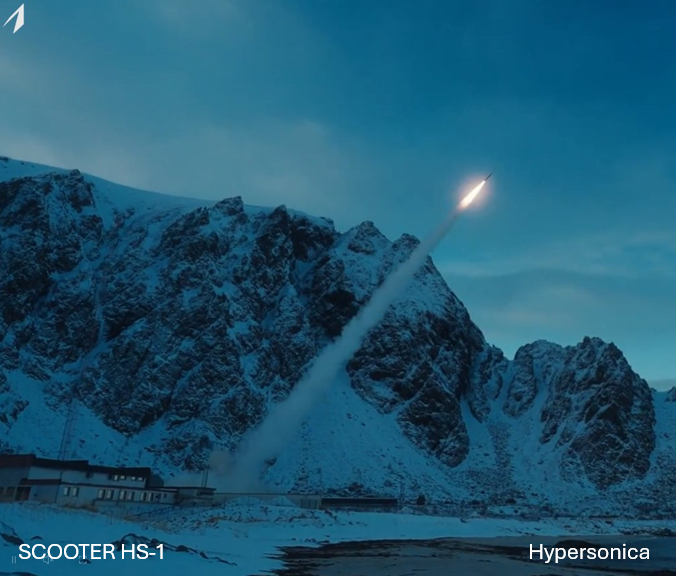
SCOOTER HS-1: First Flight of an Experimental Hypersonic Launcher by Hypersonica
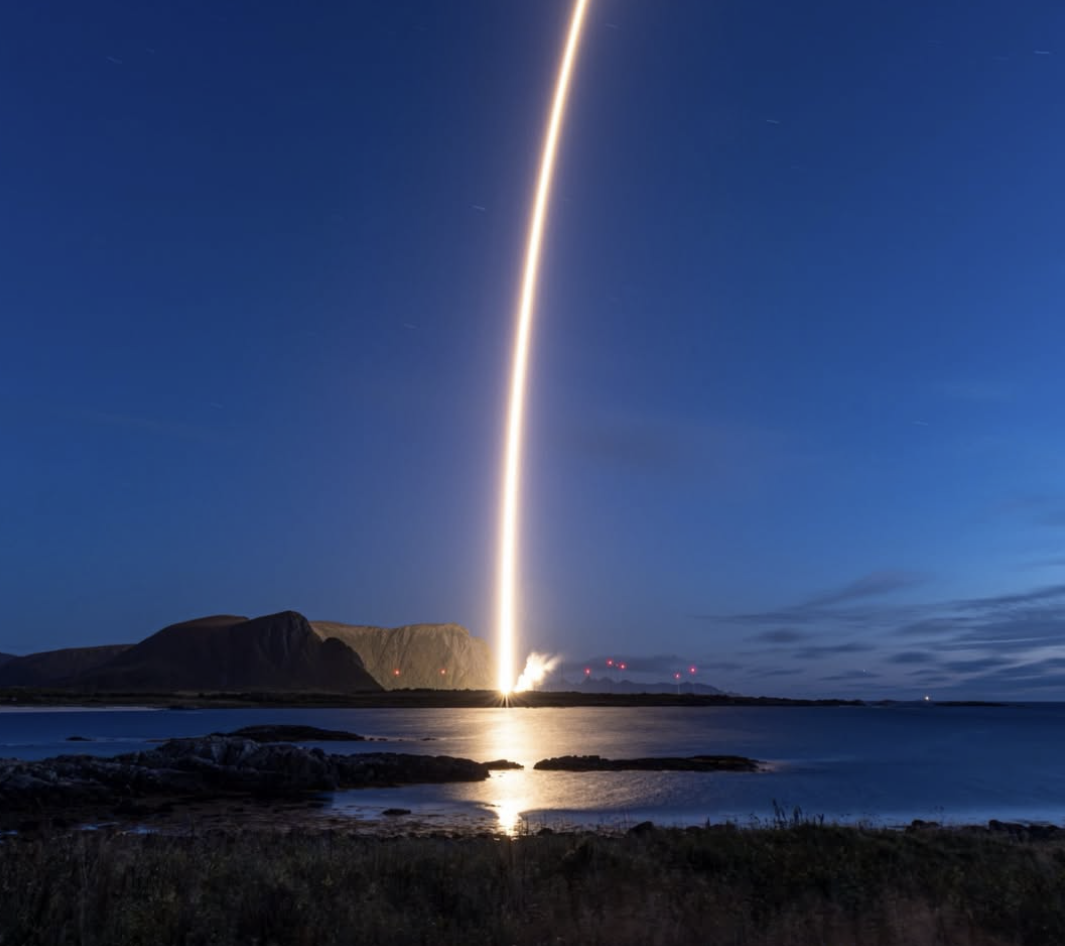
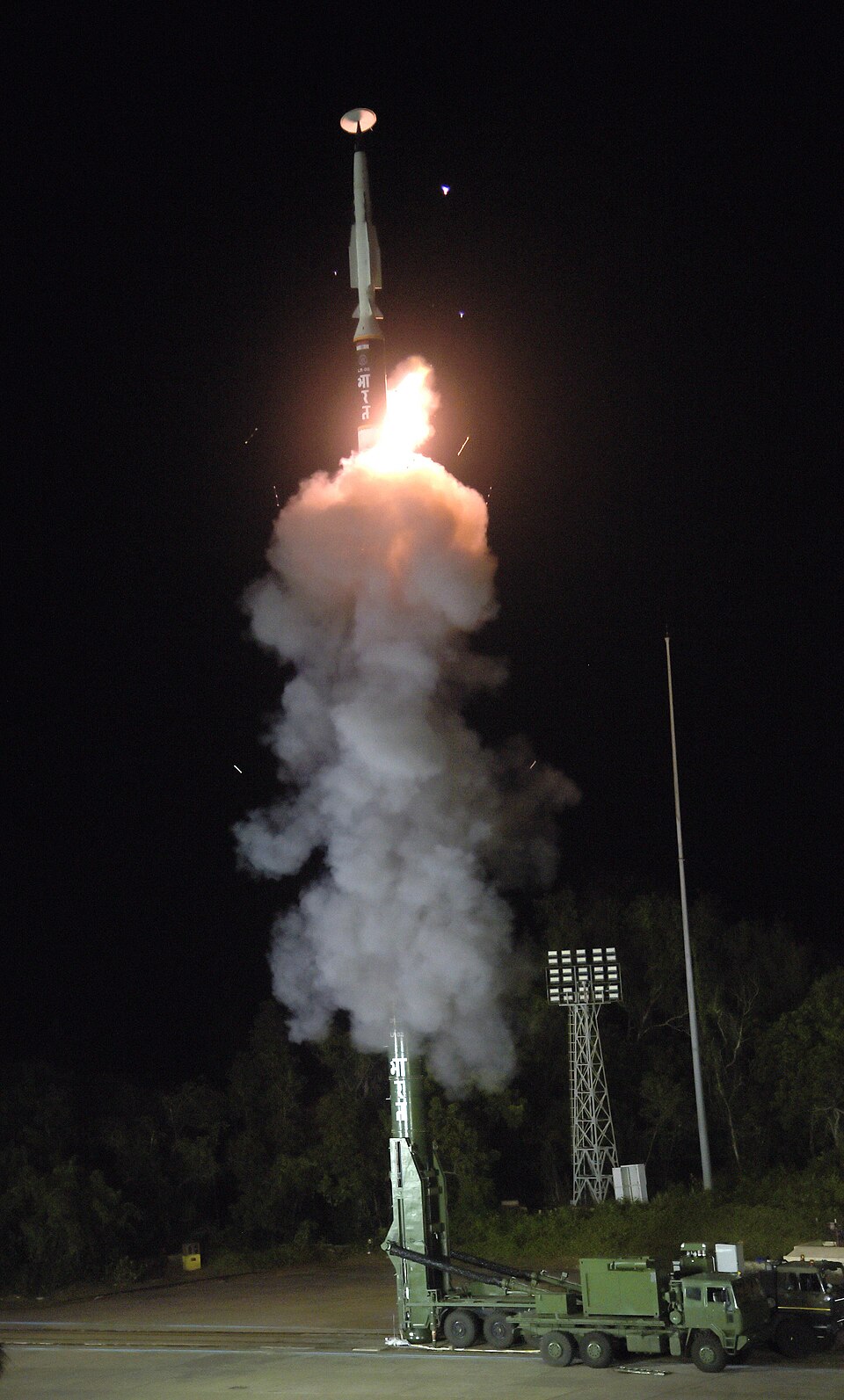
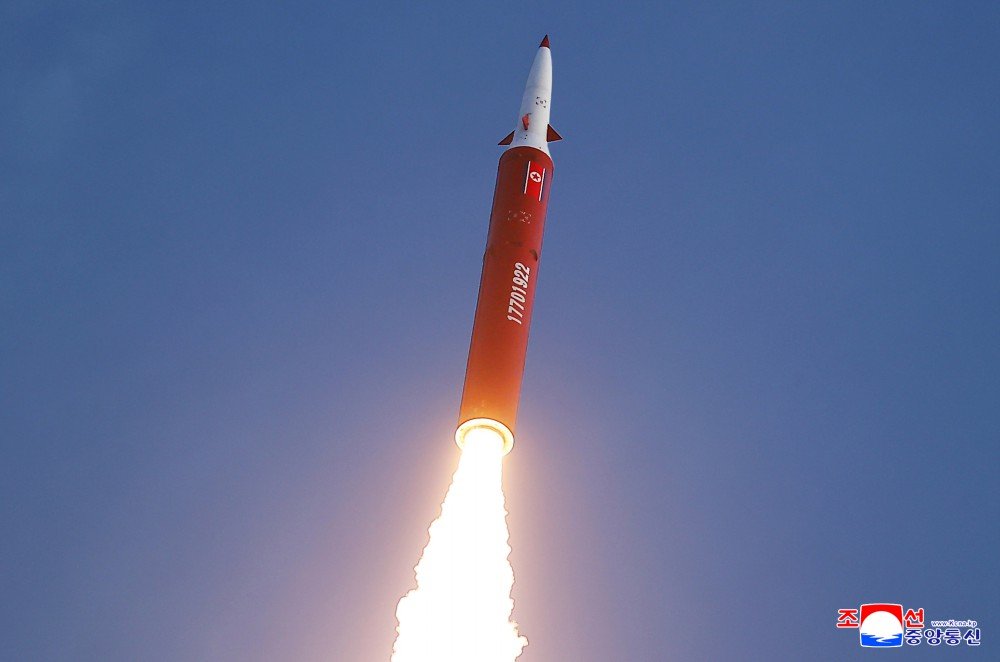
On 3 February 2026, the Anglo-German startup Hypersonica conducted the first hypersonic test flight of its SCOOTER HS-1 demonstrator from Andøya Space.
Under the current Council Decision, FRS will publish a series of Research Papers on the various aspects of the Code, as well as short Issue Briefs to highlight specific thematic and regional issues, and a major technical study. To find out more, go to our Project Activities
On 3 February 2026, the Anglo-German startup Hypersonica conducted the first hypersonic test flight of its SCOOTER HS-1 demonstrator from Andøya Space.
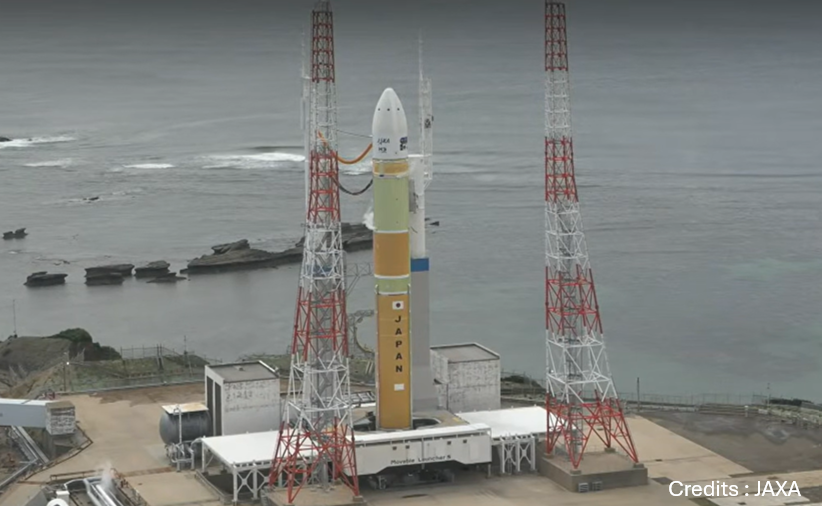
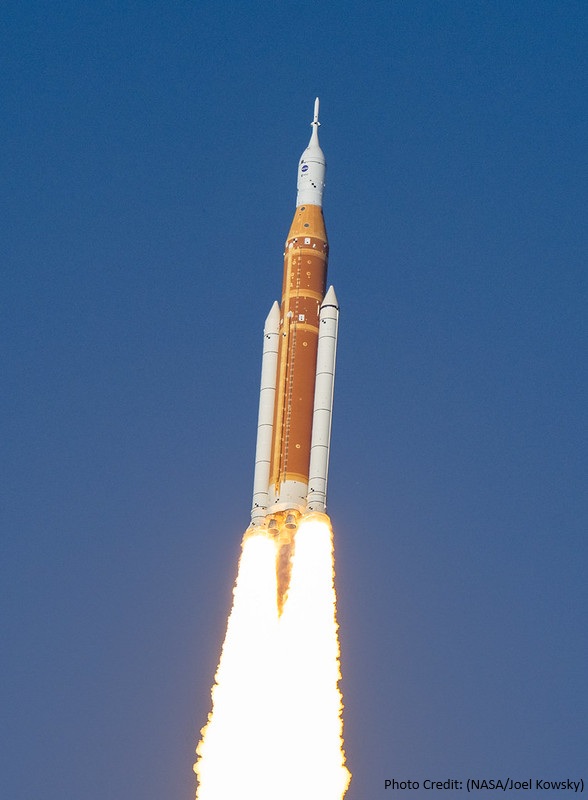
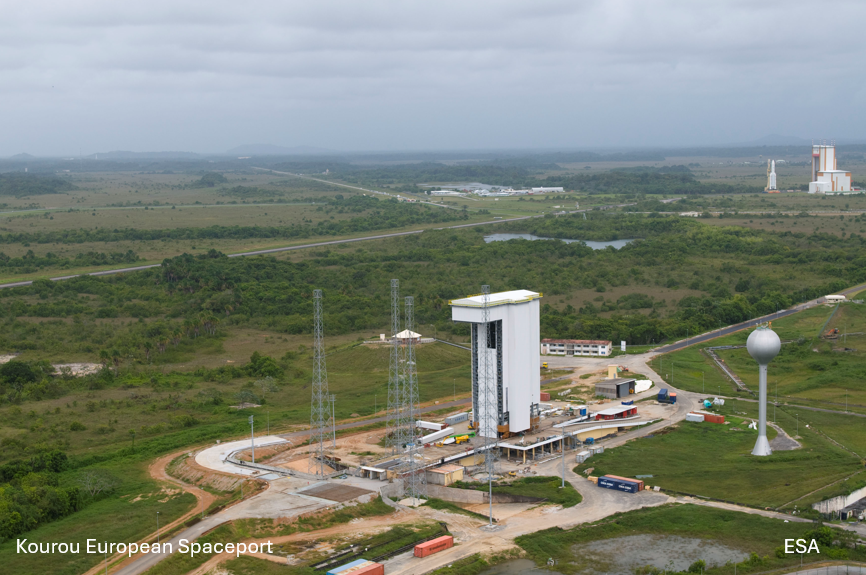
On 12 February 2026, Arianespace successfully carried out the first heavy-configuration flight of the Ariane 64, marking an important step in the development of the European launcher.
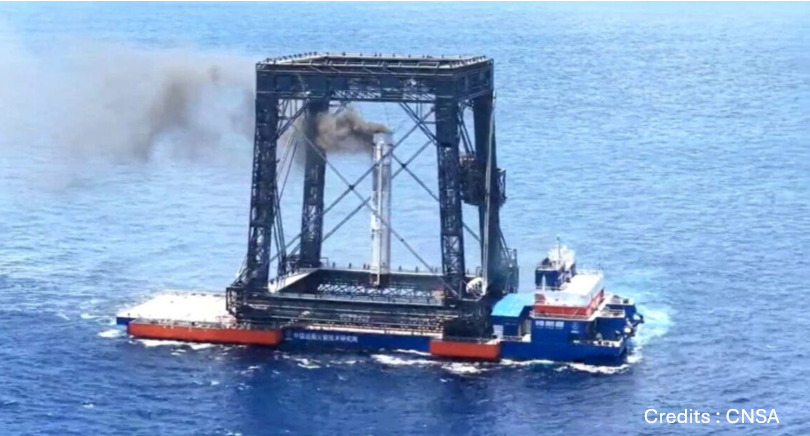
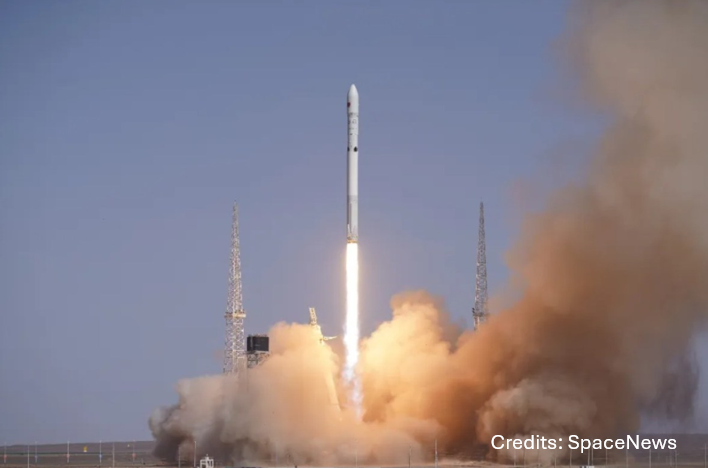
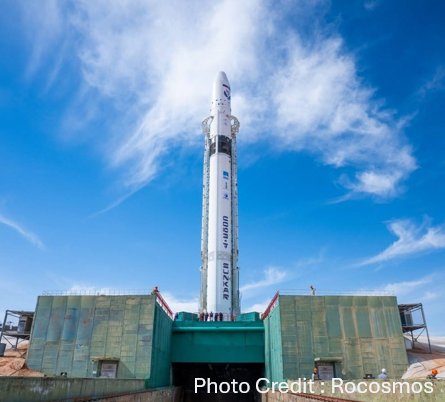
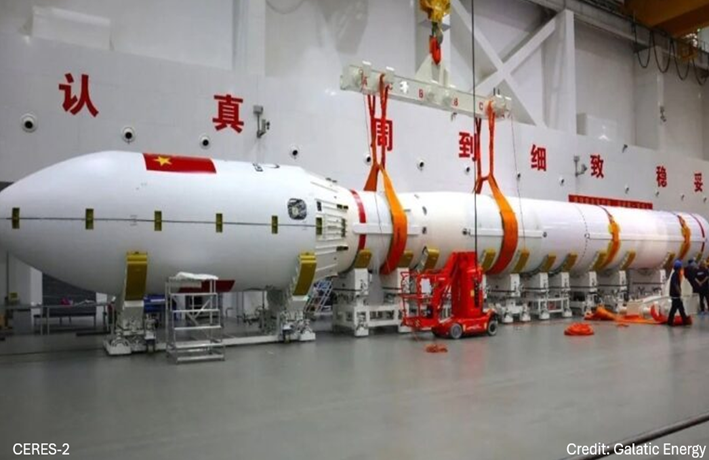
China’s CERES-2 program faces a major setback as its first launch fails, highlighting the technological challenges in developing medium-class launchers.
Entre montée des ambitions spatiales et diffusion de technologies à double usage, l’Afrique se trouve confrontée à de nouvelles vulnérabilités stratégiques. Dans ce contexte, le Code de conduite de La Haye offre un cadre de soft law permettant de concilier transparence, prévention de la prolifération et légitimation des ambitions technologiques au sein des architectures régionales de sécurité.
Read news of the Code, updates on our recent activities and latest information about ballistic missile tests and space launches.
This report, written by the HCoC Youth Group, addresses four dimensions of missile proliferation: regional concerns, transfer to non-state actors, transformation of regulatory tools, and relations to space security. It studies in particular how these developments could impact the way the Hague Code of Conduct tackles missile proliferation and proposes ways forward.
Read news of the Code, updates on our recent activities and latest information about ballistic missile tests and space launches.
This study focuses on the new systems introduced, and assesses their potential impact as conventional weapons and as non-conventional weapons. Through an analysis of the possible capacities of these systems, this study examines their consequences on North Korean strategy. It concludes by exploring what this change of strategy may lead to, in military terms, and in political terms, on the Korean peninsula.
Four of the five most recent subscribing states to The Hague Code of Conduct against Ballistic Missile Proliferation (HCoC) are African. Adopted in November 2002 in The Hague, the HCoC’s chief objective is to curb the proliferation of ballistic missiles capable of delivering nuclear, chemical or biological weapons, as well as related technology.
The Hague Code of Conduct (HCoC) was adopted in 2002 with a view to reducing the proliferation of ballistic missiles that can be used to carry weapons of mass destruction (WMD). From its inception, it took into account not only ballistic missiles – then the main vectors of ADM – but also space launchers, the two technologies sharing many characteristics.
This note identifies the various proposals for arms control in a post-INF world, with a focus on missiles. It seeks to offer an analysis of diplomatic suggestions and non-State expert reports, putting the ins and outs of the various proposals into perspective and reflecting on their feasibility and prospects in the current context.
On 15 January 2019, the Institute of National Security Studies Sri Lanka (INSSSL) and the FRS held a South Asia Regional Seminar “Dealing with the missile threat in South Asia” with the support of the European Union. This explainer on ballistic missile proliferation explains a few key aspects of the Hague Code of Conduct against Ballistic Missile Proliferation (HCOC) in relation to small states with special reference to Sri Lanka.
The Hague Code of Conduct against Ballistic Missile Proliferation (HCoC), which came into effect on 25 November 2002, aims to strengthen efforts to curb ballistic missile proliferation worldwide, thereby supplementing the Missile Technology Control Regime, which restricts access to technologies needed to develop such systems. Ballistic missiles are the favoured delivery vehicles for weapons of mass destruction and therefore have a destabilising effect on regional and global security.
Regardless of the risks associated with proliferating states, however, the pronounced diffusion of deep strike capabilities linked to rockets and SRBMs poses a fundamental problem, creating vulnerabilities in the face of Western forces which have less and less infrastructure. and whose forces are articulated around now limited volumes.
The Hague Code of Conduct against Ballistic Missile Proliferation, the Missile Technology Control Regime and United Nations Security Council Resolution 1540 each contribute to the international regime for the nonproliferation of ballistic missiles. The three instruments aim at controlling both horizontal and vertical proliferation.
En 2013, on the occasion of the 10th anniversary of the HCoC, the Center for Studies in International Security and Arms Control published a special issue of the Bulletin de l’Observatoire de la non-proliferation.