All publications

Under the current Council Decision, FRS will publish a series of Research Papers on the various aspects of the Code, as well as short Issue Briefs to highlight specific thematic and regional issues, and a major technical study. To find out more, go to our Project Activities

Research Papers

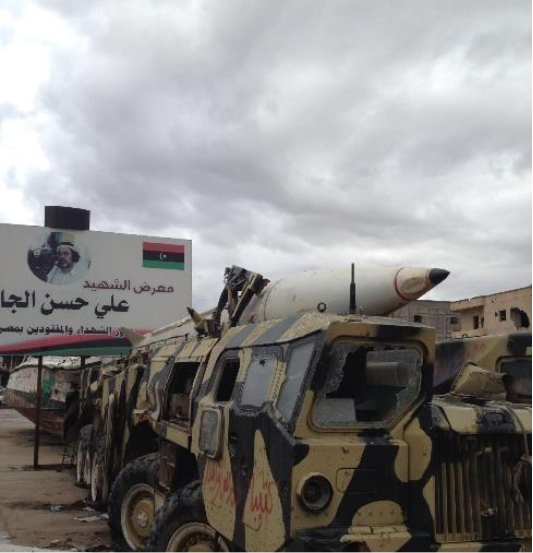
Ballistic missiles and conventional strike weapons: Adapting the HCoC to address the dissemination of conventional ballistic missiles

The Hague Code of Conduct aims at curbing the proliferation of missiles capable of carrying weapons of mass destruction. Today, with an important increase in ranges, these weapons are more and more used for a conventional mission, by a variety of states. This dissemination illustrates the fact that many stakeholders master the technologies necessary to build and sustain these weapons. But it also raises questions on the possible destabilising effects of these arsenals, even when they are not linked to WMDs.

Read More »
Research Papers

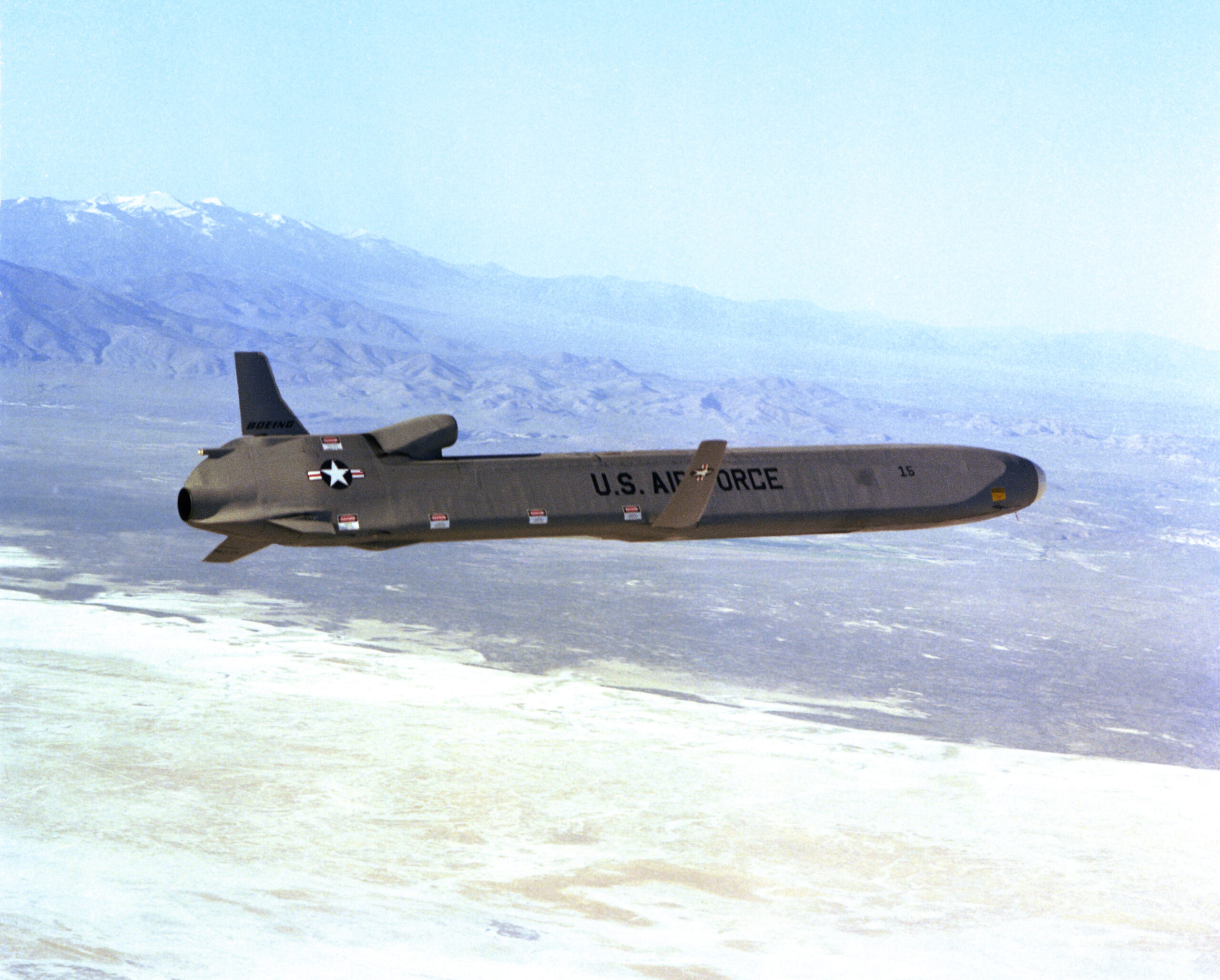
Opening HCoC to cruise missiles: A proposal to overcome political hurdles

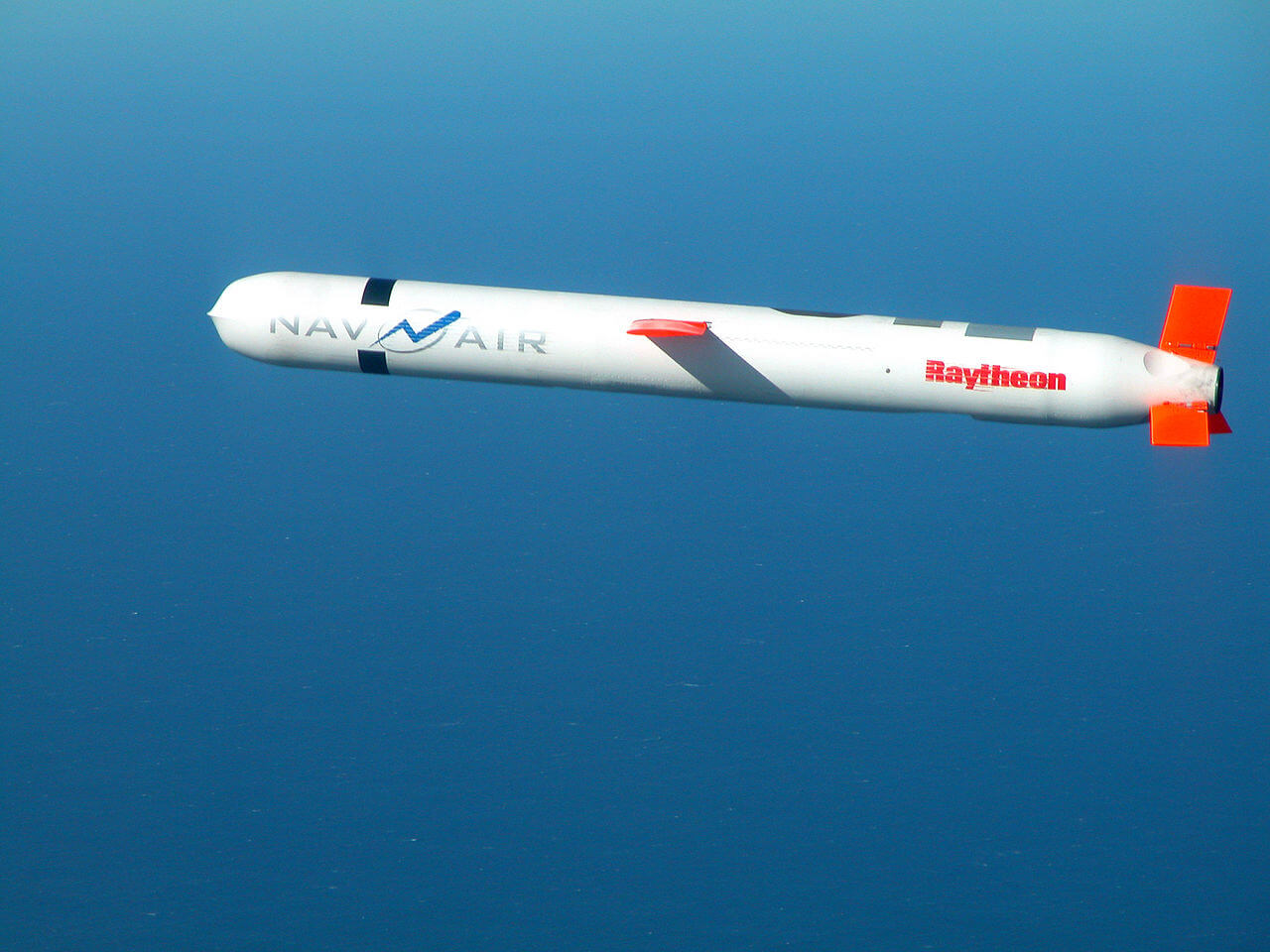
The issue of extending the scope of the Hague Code of Conduct to cruise missiles is regularly raised in academic and political discussions about the Code. Some non-subscribing States justify their refusal to join the instrument because of this exclusion, perceived as a major flaw. Indeed, cruise missiles have characteristics that can make them very effective in carrying weapons of mass destruction. It is therefore clearly of interest to consider extending the HCoC scope to these weapons.

Read More »
Other publications

Ballistic missile proliferation: what should be the role of a small state?

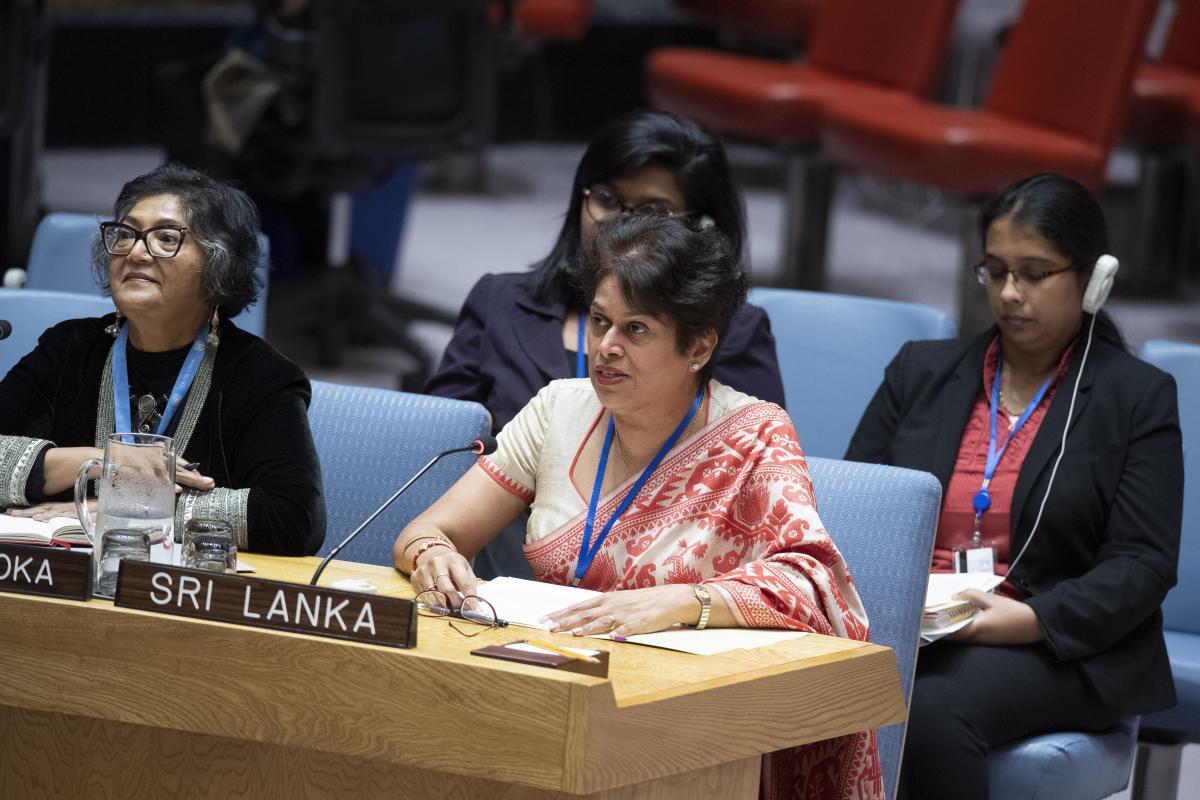
On 15 January 2019, the Institute of National Security Studies Sri Lanka (INSSSL) and the FRS held a South Asia Regional Seminar “Dealing with the missile threat in South Asia” with the support of the European Union. This explainer on ballistic missile proliferation explains a few key aspects of the Hague Code of Conduct against Ballistic Missile Proliferation (HCOC) in relation to small states with special reference to Sri Lanka.

Read More »
Research Papers

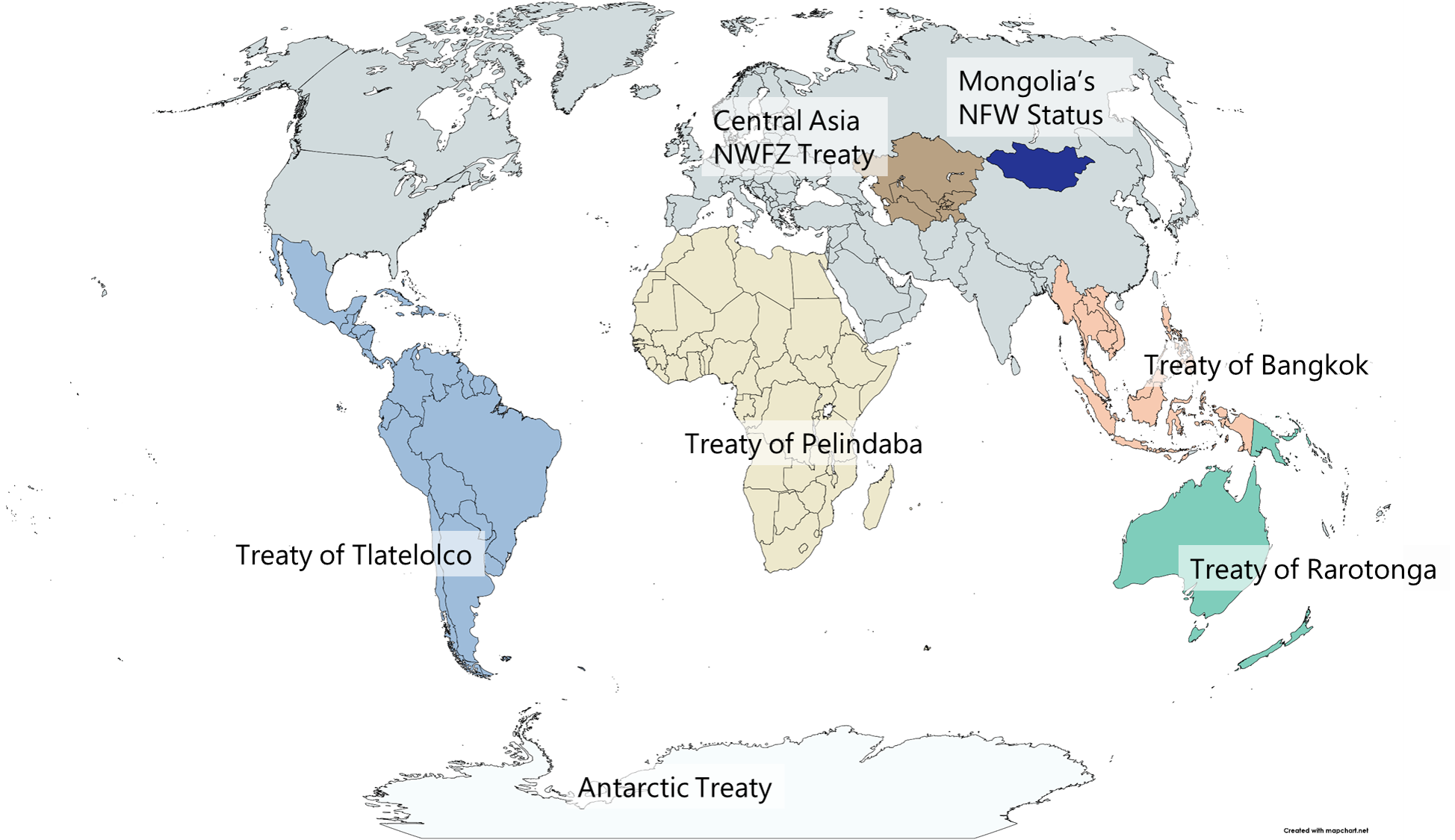
The use of the existing WMD free zones as an exemple and a potential Framework for further initiatives banning ballistic missiles

Taken as a wide-ranging notion, weapons of mass destruction (WMD) have not produced significant instruments in international security over time, UNSCR1540 being an exception. As such, there are no existing WMD free zones (WMDFZ) which can be used as examples and as potential frameworks for further initiatives banning ballistic missiles.

Read More »
Research Papers

Limiting the proliferation of WMD means of delivery: a low-profile approach to bypass diplomatic deadlocks

Since the creation of the HCoC in 2002, the need for more collective commitment and action to fight the proliferation of ballistic missiles has certainly not decreased. The destabilizing nature of these weapons has not changed. Non-proliferation is just less about keeping the world stable and more about not adding a risk factor to an uncertain future. The HCoC was and remains a response to that need, but certainly not the end of the quest for improvement.

Read More »
Research Papers

The HCoC: current challenges and future possibilities

The Hague Code of Conduct (HCoC), currently the only game in town on its topic, marked its 10th anniversary in 2012. It has generated membership comfortably into three figures, and its supporters have tried valiantly to help it make progress. However, even its most enthusiastic admirers would concede that has not fulfilled the hopes and expectations of its founders when they gathered for the opening ceremony in November 2002.

Read More »
Other publications

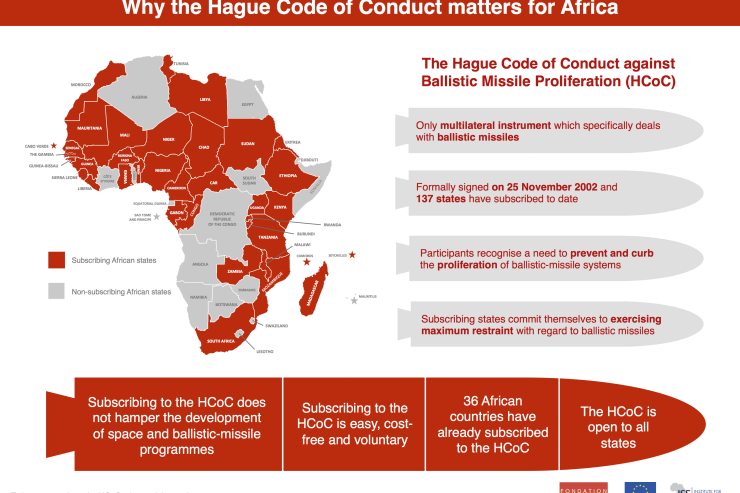
The HCoC: relevance to African states

The Hague Code of Conduct against Ballistic Missile Proliferation (HCoC), which came into effect on 25 November 2002, aims to strengthen efforts to curb ballistic missile proliferation worldwide, thereby supplementing the Missile Technology Control Regime, which restricts access to technologies needed to develop such systems. Ballistic missiles are the favoured delivery vehicles for weapons of mass destruction and therefore have a destabilising effect on regional and global security.

Read More »
Other publications

Making the Hague Code of Conduct Relevant

The Hague Code of Conduct against Ballistic Missile Proliferation, the Missile Technology Control Regime and United Nations Security Council Resolution 1540 each contribute to the international regime for the nonproliferation of ballistic missiles. The three instruments aim at controlling both horizontal and vertical proliferation.

Read More »
Other publications

The Hague Code of Conduct Against Ballistic Missile Proliferation: “Lessons Learned” for the European Union Draft Code of Conduct for Outer Space Activities

Concerns about the harm caused upon orbiting space objects – whether intentional or accidental – have increased in recent years, as well as the emerging awareness that the security and safety of national satellites – of vital importance for modern societies but at the same time so vulnerable – relies on a collective effort. In December 2008 the EU responded to these concerns by adopting a Draft Code of Conduct (EU Draft CoC) for outer space activities.

Read More »
Other publications

Missile Control?

This issue of Disarmament Forum assesses the current situation concerning missiles and investigates future prospects for control. Existing devices, such as the Missile Technology Control Regime and the Hague Code of Conduct (HCOC), UN Security Council resolution 1540 and the Proliferation Security Initiative, are all attempts at ameliorating some aspects of missile-related problems, as are the various bilateral confidence-building measures already in operation.

Read More »
Other publications

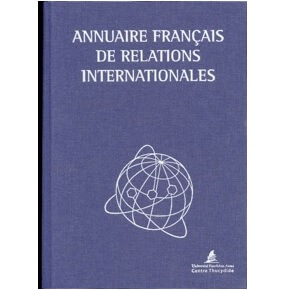
Le Code de conduite de La Haye contre la prolifération des missiles balistiques. Le régime qui n’existait pas ?

The Hague Code of Conduct against Ballistic Missile Proliferation, launched in November 2002, established itself as the first political and truly multilateral initiative on non-proliferation in the field of missiles. He succeeded in laying down principles of universal scope in a field which was totally lacking in them and in establishing confidence-building measures which could serve as a model for countries not yet signatories.

Read More »